


Former football star Ashley Cole recently spoke out about his experiences with the media, highlighting a perceived bias against him during his career. Known for his exceptional talent on the field, Cole faced controversies such as the tapping-up scandal and scrutiny over his personal life, including his high-profile marriage.
Despite his success on the pitch, Cole’s autobiography, detailing his journey through football, was met with mixed reviews, signaling a shift in the era of football autobiographies. During a recent appearance on Gary Neville’s show, Cole candidly discussed the media’s negative portrayal of him, attributing it to an orchestrated agenda.
Reflecting on past scandals, including the tapping-up incident, Cole pointed fingers at external factors like a waiter and media sensationalism. Despite his on-field achievements, Cole felt underappreciated and misunderstood, raising questions about the representation of players in the media.
The discussion with Neville also touched on the topic of race in football and how it may have influenced perceptions of players like Cole. While acknowledging personal challenges, Cole expressed a lack of support within the football community, shedding light on deeper issues within the sport.
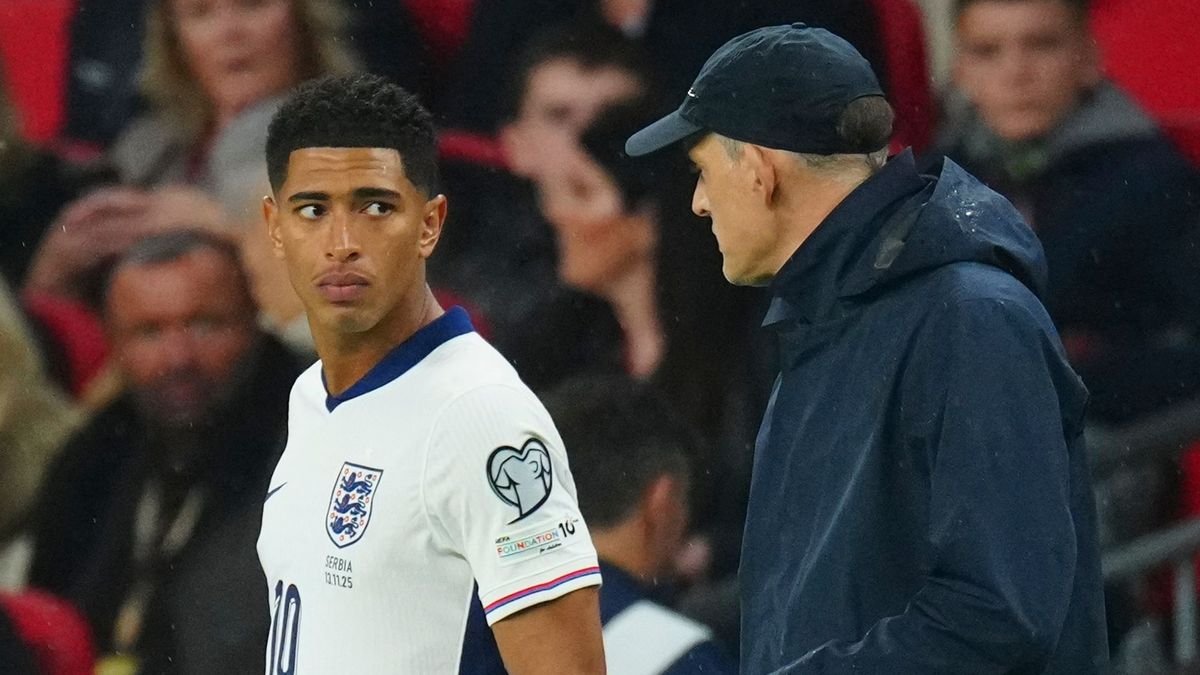
The conversation surrounding Cole’s experiences with the media is part of a broader dialogue on unfair portrayals and biases in football coverage. Recent controversies, like the Thomas Tuchel incident involving Jude Bellingham, have further fueled discussions on media ethics and player treatment.
As the industry grapples with these issues, there is a growing call for meaningful change and accountability. The need for diverse representation and fair treatment of players, especially those from minority backgrounds, remains a pressing concern in football journalism.
Moving forward, stakeholders in the media and football communities must address systemic biases and work towards creating a more inclusive and equitable environment for all players. By fostering open dialogue and promoting positive representation, the industry can strive towards a more respectful and supportive culture for athletes.