

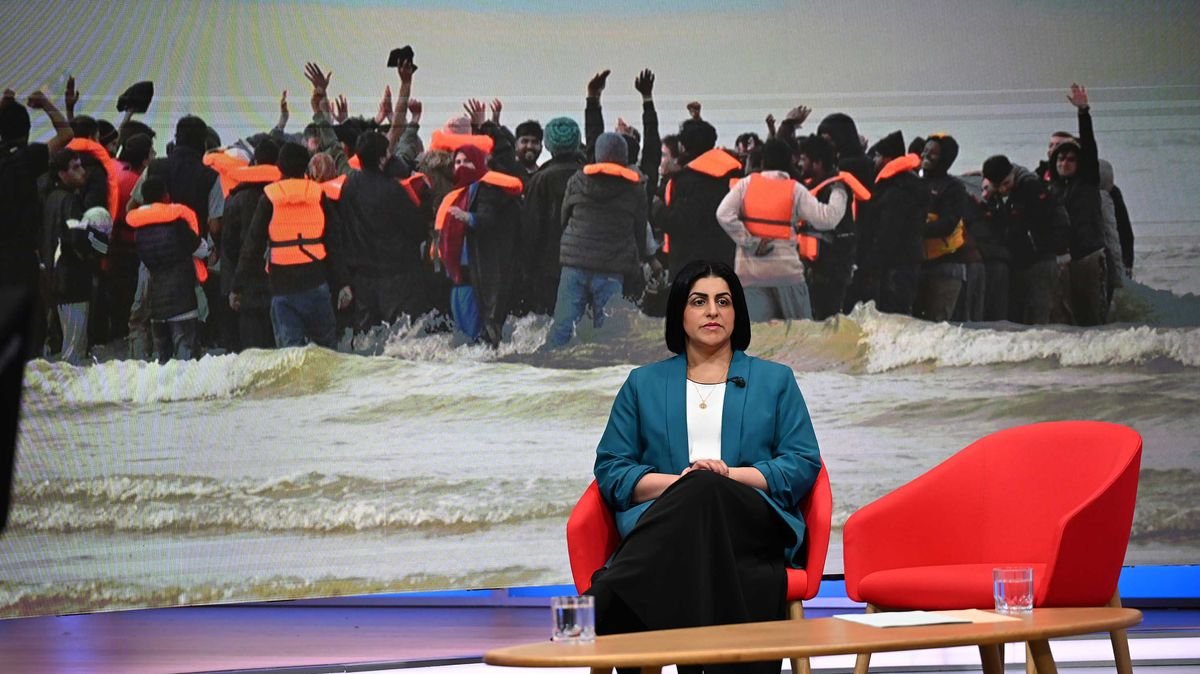

Britain’s Home Secretary has declared that the country’s asylum system is spiraling “out of control” and causing significant division. The Home Secretary, Shabana Mahmood, is set to introduce extensive reforms described as the most significant overhaul of the asylum system since World War II, inspired by Denmark’s strict approach.
The proposed reforms include eliminating the automatic entitlement to financial aid for asylum seekers, such as housing and weekly allowances. Additionally, the waiting period for refugees to apply for permanent residency will be extended to 20 years. Refugee status will become temporary, subject to review every two to three years, potentially leading to deportation for those deemed safe to return to their home countries.
To counterbalance these stringent changes, three new legal pathways will be established, including limited work and study opportunities, as well as a program allowing local communities to sponsor refugees, resembling the Ukraine Homes scheme. The announcement of these measures has sparked criticism from charities, with accusations that the reforms are merely revisiting unsuccessful policies previously proposed by the Conservative Party.
Despite the backlash, the Home Secretary defended the reforms, emphasizing her personal connection to immigration as the child of migrants. Mahmood highlighted the urgent need to address illegal migration, which she believes is fracturing communities and exploiting a flawed system that allows individuals to circumvent regulations with impunity.
Critics, such as Sunder Katwala from the immigration think tank British Future, expressed skepticism about the effectiveness of the proposed changes, suggesting that a more comprehensive strategy is required to address the root causes of irregular migration. Sile Reynolds, representing Freedom from Torture, condemned the reforms as punitive towards individuals who have already endured immense suffering, warning against stripping away essential protections for vulnerable populations.
As per recent Home Office data, over 39,000 individuals have crossed the English Channel to reach the UK this year, surpassing the total figures for 2023 and 2024. However, the current numbers remain lower than those recorded at the same point in 2022.