


Montreal police have been expanding their utilization of AI-driven technologies to monitor vehicles and individuals throughout the city, sparking concerns regarding transparency and privacy rights among the public.
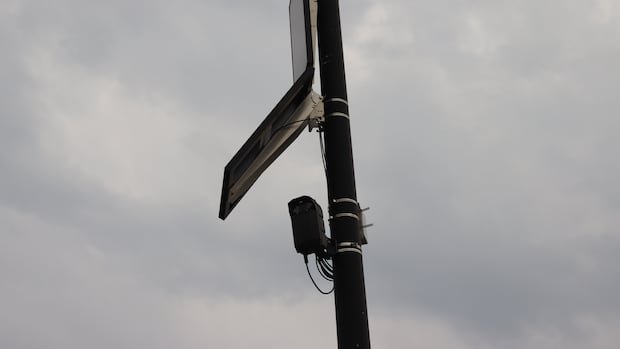
A sophisticated camera capable of scanning and recognizing vehicles was recently observed by a Radio-Canada journalist on a lamppost along Henri-Bourassa Boulevard in Montreal’s Rivière-des-Prairies neighborhood. The camera, identified as a Cloudrunner CR-H2 manufactured by the Montreal-based company Genetec, was promptly removed after Radio-Canada’s report on the device.
Unlike the controversial Flock Safety cameras widely deployed in the United States, the Genetec system not only scans license plates but also records specific vehicle attributes such as color, make, and model. The collected information is managed by the system’s operator, in contrast to Flock cameras that share data in a central accessible database for multiple law enforcement agencies.
According to SPVM spokesperson Marc-Antoine Bélanger, access to the captured images is restricted to the investigators overseeing the targeted operations. Bélanger emphasized that the secrecy surrounding the police force’s technological tools is intentional to safeguard ongoing investigative strategies and ensure compliance with legal regulations.
However, privacy advocates have criticized the lack of transparency in the deployment of new technologies by law enforcement agencies. Dominique Peschard from the Ligue des droits et libertés, a Quebec human rights group, emphasized the need for police to inform the public about the tools they use while maintaining operational effectiveness.
The use of Cloudrunner cameras is part of the SPVM’s broader adoption of AI-driven technologies, including the iMotion ROC AI software by Rank One Computing. SPVM spokesperson Anik de Repentigny clarified that the software aids investigators in reviewing extensive video footage without utilizing facial recognition or biometric features to identify individuals.
De Repentigny assured that the system operates on a closed offline network, analyzing footage from various security cameras and private surveillance videos collected with consent or a warrant. An internal privacy impact assessment acknowledged potential civil liberties risks associated with the technology but emphasized efforts to minimize discrimination and protect individuals’ privacy.
The disclosure of the Cloudrunner camera by the SPVM followed initial confusion, with Montreal police Chief Fady Dagher indicating unawareness of the device before clarifying its usage for targeting armed violence and vehicle thefts. Public records revealed a contract awarded to Genetec for Cloudrunner units, signaling potential future deployments based on investigative needs.
Andrew Elvish, Genetec’s Vice President, underscored the technology’s privacy-respecting design and emphasized the importance of balancing public safety with privacy considerations. Montreal Mayor Soraya Martinez Ferrada’s advocacy for a voluntary security camera registry during the previous election campaign further underscores the ongoing debate surrounding surveillance technologies and privacy rights.