

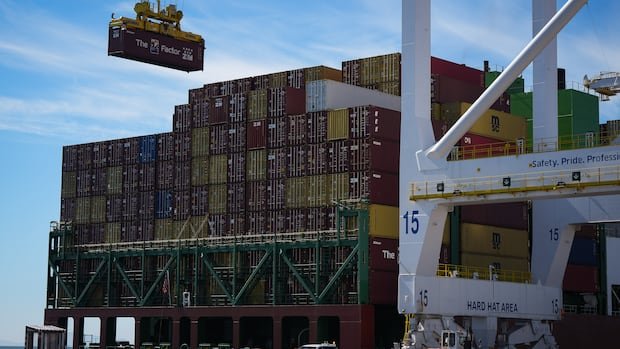

With the clock ticking for Canada to reach a trade agreement with the United States, numerous Canadian businesses are feeling apprehensive. Some anticipate losing up to half of their sales if the new tariffs are imposed. The impending U.S. tariffs, slated to come into effect on Wednesday, would impact $28 billion worth of Canadian goods, including electronics, dairy, alcohol, and wood, among others.
Negotiations are intensifying, with Canadian officials potentially meeting U.S. Trade Representative Jamieson Greer before Prime Minister Mark Carney and President Donald Trump discuss the matter. The final decision rests with Trump, emphasizing his role in the deal. Concerns loom as Canadian businesses fear the detrimental effects of the proposed tariffs, not just on pricing but also on the feasibility of cross-border shipping.
Todd Stafford, the president of Northern Cables in Brockville, Ontario, expressed worry about potential losses if the tariffs are implemented. The company heavily relies on U.S. buyers for half of its sales, manufacturing power cables for commercial and industrial purposes. Stafford emphasized the urgency for a resolution, highlighting the impact on their workforce and the broader economic challenges they face.
Despite the protective shield of the Canada-U.S.-Mexico Agreement (CUSMA), recent trade tensions have left many businesses anxious. While key sectors like energy, potash, and critical minerals remain exempt, the impending tariffs would affect about 5% of overall trade between the two countries. Business owners, like Cindy Baldassi from Calgary, are already taking preventive measures to mitigate potential losses and adapt to the changing trade landscape.
The looming threat of tariffs has already taken a toll on businesses, prompting concerns about layoffs and reduced orders. Companies like Monterey Textiles have been proactive in adjusting their operations to navigate the uncertainties. The impact of the tariff threat has been palpable, influencing business decisions and customer relationships.
In Alberta, beekeepers like Lorne Prins are bracing for potential disruptions in honey exports due to the tariffs. The uncertainty surrounding trade policies has led to preemptive actions among producers to safeguard their businesses. The ripple effects of the tariffs are anticipated to affect various industries, necessitating strategic responses to mitigate the economic repercussions.
As businesses navigate the evolving trade landscape, the resilience and adaptability of Canadian enterprises are being put to the test. The uncertainty surrounding the trade negotiations underscores the importance of proactive measures and strategic planning to weather potential economic challenges.