

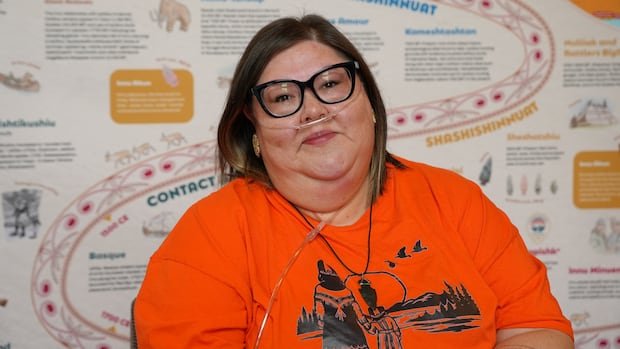

Months after a sudden cancellation and a disagreement with Newfoundland and Labrador Premier Tony Wakeham’s administration, the Innu Pakassiun exhibit has finally opened to the public. Around 250 individuals attended the opening event at the Labrador Interpretation Centre in North West River, which had been previously called off by Innu Nation leadership in June.
In a statement to CBC News prior to the exhibit’s unveiling, Innu Nation Grand Chief Jodie Ashini expressed that the journey to this moment was filled with challenges and poignant moments during its development. She emphasized the significance of opening on Canada’s fifth National Day for Truth and Reconciliation, underscoring the perseverance and resilience of the Innu people over the past 9,000 years.
Ashini highlighted that the exhibit’s opening on this specific day serves as a powerful reminder that Indigenous cultures have not been assimilated but continue to thrive. She emphasized the importance of passing down the heritage and history of the Innu people to future generations.
The Innu Nation has asserted their presence on the land for millennia, while the province’s archaeology office suggests a history of around 300 years. This discrepancy has fueled a prolonged public dispute, culminating in a recent walkout by Ashini during a meeting with Premier Tony Wakeham. Wakeham and the provincial government have pledged to conduct an independent audit of the Innu records held by the archaeology office, a move that Ashini had previously expressed reservations about.
Despite the challenges faced, Ashini, who was recently elected as Grand Chief, affirmed the Innu Nation’s commitment to continuing the fight for recognition and respect. She stressed the importance of preserving Innu culture, history, and language for future generations.
The exhibit, titled Innu Pakassiun, is scheduled to remain open at the Labrador Interpretation Centre in North West River until October 18. Ashini expressed hopes for the exhibit to travel to other locations following its display in Newfoundland and Labrador.