

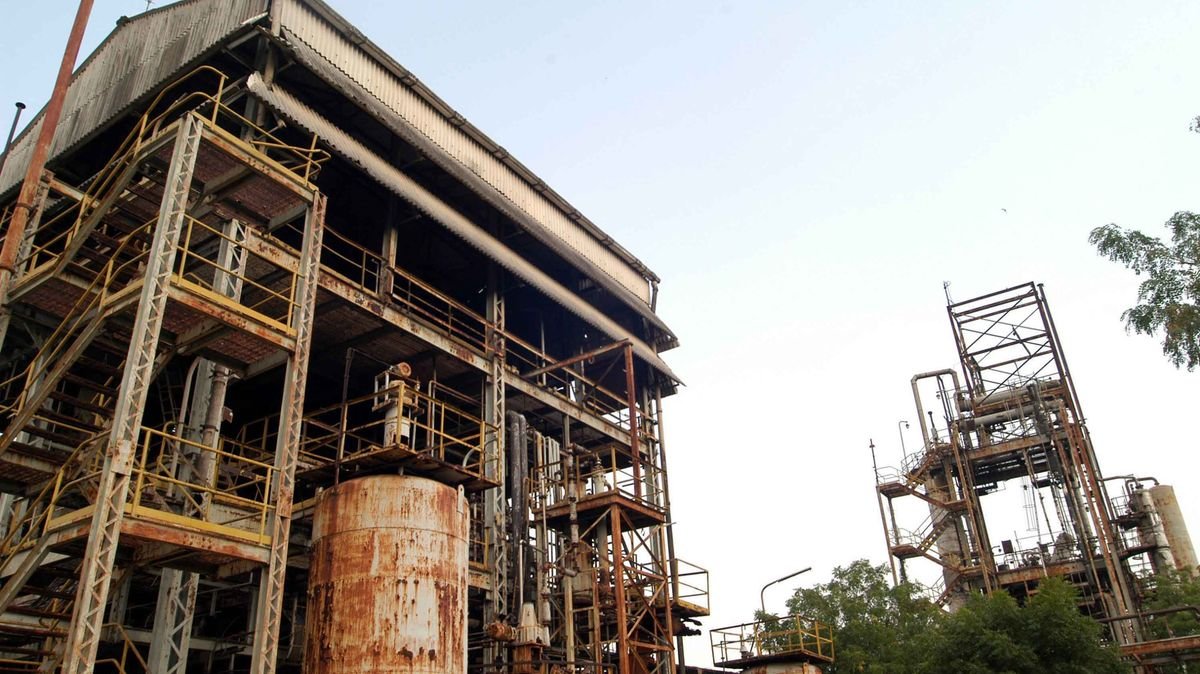

A journalist in Bhopal issued a stark warning to locals about the imminent danger posed by a potential volcanic-like disaster. The chilling prediction was made by Raj Keswani in the city’s newspaper, Jansatta, following the tragic death of Ashraf Khan at the Union Carbide factory. Khan succumbed to a lethal phosgene spill, a toxic gas used as a chemical weapon during World War One.
Despite the forewarning, the catastrophic event unfolded two years later, marking one of the most devastating industrial disasters globally at the factory. An unexpected malfunction at a US-owned pesticide plant unleashed 40 tonnes of highly toxic gas into a densely populated urban slum, resulting in mass casualties. The released chemical, methyl isocyanate, inflicted severe health issues such as chest pain, asthma, and skin damage even in small quantities.
The immediate aftermath of the gas leak claimed the lives of 3,500 individuals, with gruesome symptoms like lung failure, kidney necrosis, and severe organ damage. The gas, spreading like a dense fog over the city, disproportionately affected women and children due to their shorter stature, leading to higher mortality rates among them. Reports indicated that over 200,000 children and 3,000 pregnant women suffered adverse effects, including immediate miscarriages.
Survivors and their families embarked on a 30-year quest for justice following the Bhopal disaster, which occurred on December 3, 1984, at the Union Carbide factory. In the preceding years, a series of accidents and leaks, attributed to inadequate maintenance and procedures, had already harmed and killed workers at the plant. Despite alerts signaling an impending leak, plant managers disregarded the warnings, ultimately leading to the fatal gas release.
The tragic incident resulted from a chain of malfunctions that flooded a pesticide tank with water, triggering a deadly thermal reaction. Plant management ignored the signs of an imminent leak, opting to address the issue post their tea break, allowing toxic gas to escape and engulf Bhopal. The failure to adequately respond to the crisis, including silencing warning alarms and misleading authorities, exacerbated the catastrophe.
Following the disaster, an overwhelming influx of gas-exposed individuals inundated under-equipped local medical facilities, leading to a surge in fatalities. The long-term repercussions of the disaster persist, with ongoing health complications reported by survivors, such as blindness, respiratory issues, cancer, and pregnancy complications. The pursuit of justice and compensation by victims and their advocates continues, shedding light on the enduring impacts of the Bhopal tragedy.