

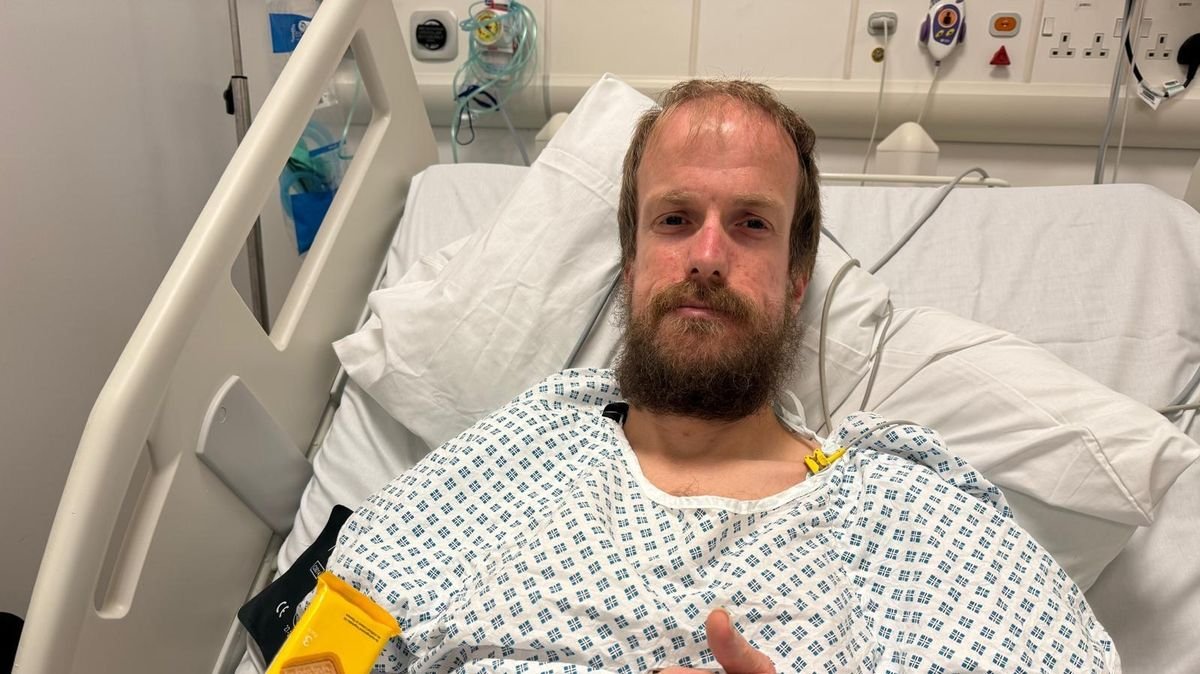

The House of Lords is facing criticism for potentially obstructing the Assisted Dying bill by introducing an unprecedented 942 amendments. A terminally ill music teacher expressed deep concern over potential delays, emphasizing the importance of passing the bill for those suffering from unmanaged pain.
Nathaniel Dye, an MBE recipient from east London, highlighted the urgency of the legislation, citing the daily toll of unmanaged pain experienced by many. He stressed the need for a peaceful option for terminally ill individuals and their families, urging the Lords to consider the public support behind the bill.
Amidst the amendments, concerns were raised about potential barriers hindering the bill’s progress. Individuals directly affected by terminal illnesses, including Jenny Carruthers from Bath, emphasized the importance of having their voices heard in the decision-making process.
The ongoing debate in the House of Lords has sparked a public outcry, with calls for a fair and focused evaluation of the bill. Dignity in Dying CEO, Sarah Wootton, emphasized the need for compassion and understanding towards those impacted by the current laws surrounding end-of-life decisions.
Personal testimonies, such as that of Louise Shackleton, who accompanied her husband to Dignitas due to his suffering from Motor Neuron Disease, shed light on the real-life implications of delaying legislative action. The public and Commons’ overwhelming support for the bill underscores the urgency of addressing the needs of terminally ill individuals and their families.