

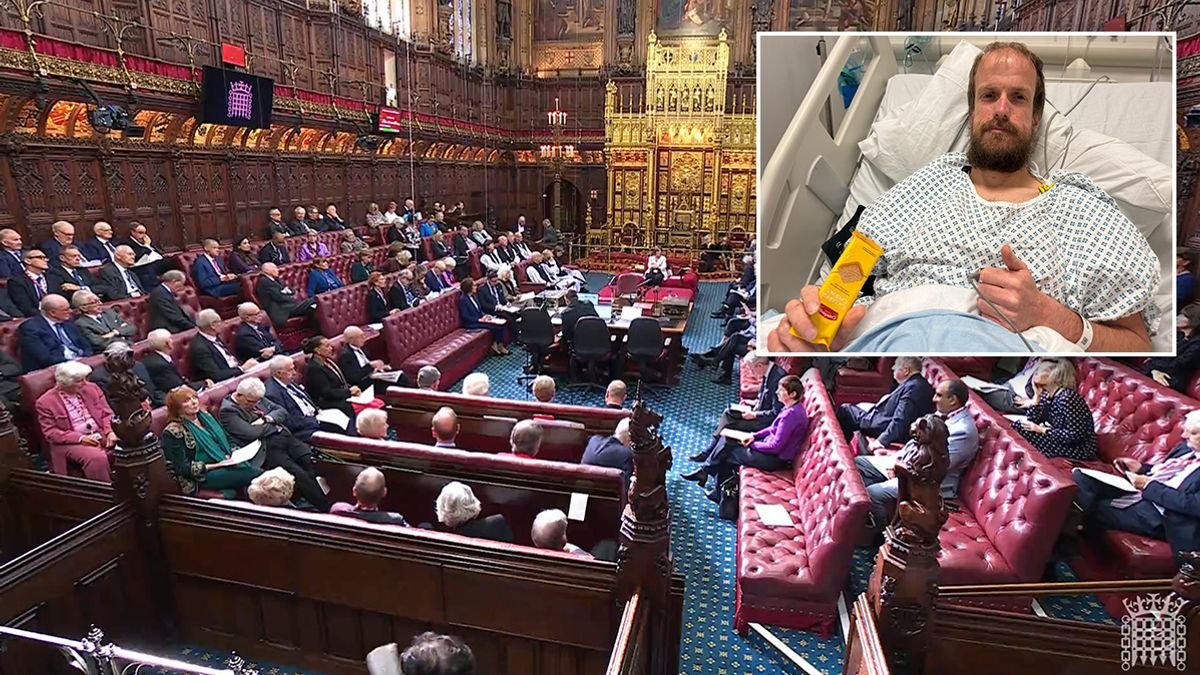

A recent survey conducted by Dignity in Dying revealed that a majority of people disapprove of the House of Lords delaying a bill after it has been passed by the Commons. The survey found that 6 in 10 individuals believe it is not acceptable for the Lords to prolong the process once the Commons has approved a bill, while only 17% support such actions. Additionally, just 24% of respondents find it acceptable for the Lords to introduce obstructive amendments.
The House of Lords has come under scrutiny for allegedly obstructing the Assisted Dying bill by proposing a staggering 942 amendments during the Committee Stage. This move has been criticized as potentially derailing the bill’s progress.
One terminally ill individual, a music teacher named Nathaniel Dye, expressed his distress at the possibility of the bill being blocked due to political maneuvers. Dye, diagnosed with stage 4 incurable cancer, emphasized the importance of a peaceful end-of-life option for individuals suffering from terminal illnesses.
Over 100 terminally ill individuals and their families have urged the Peers to listen to their voices and ensure their concerns are taken seriously. They emphasized that decisions regarding end-of-life care should include input from those directly affected by terminal illnesses.
Advocates for the bill, including Dignity in Dying CEO Sarah Wootton, have emphasized the need for a compassionate and evidence-based debate on the issue. They have called on the House of Lords to prioritize the well-being of terminally ill individuals and respect the overwhelming public support for the bill.
The proposed amendments by various Lords have sparked criticism for potentially impeding the progress of the bill and undermining the wishes of terminally ill individuals and their families. Critics argue that such tactics hinder the democratic process and perpetuate unnecessary suffering for those seeking a dignified end-of-life option.