

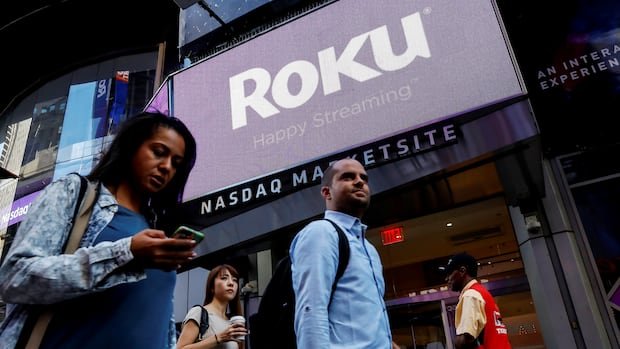

Artificial intelligence has ventured into the realm of television with its own dedicated channel on the Roku Channel, a popular streaming platform. The addition of Fairground AI Creator TV, featuring 24/7 AI-generated content, free of charge, was not officially announced by Roku but was first reported by Cord Cutters News.
The introduction of this AI-driven channel has sparked online criticism, with some viewers expressing dissatisfaction with the content being offered. Criticisms include descriptions of the channel as “an unending conveyor belt of AI slop” by Frank Landymore from Futurism and as a potential example of “enshittification” in the oversaturated streaming market, as noted by Bradly Shankar of MobileSyrup.
Fairground AI operates as a FAST channel, providing free, ad-supported streaming television content. While approximately 200 FAST channels are accessible on the Roku Channel in Canada, Fairground AI is not currently among them. It remains unclear if there are plans to extend the channel’s availability to Canadian audiences.
Roku, a leading streaming service globally, was acquired by Fox in a $22 billion deal in June, granting Fox access to a vast user base of over 100 million households. The emergence of the AI channel aligns with a growing trend of AI-generated content across various entertainment platforms, such as the inclusion of AI-generated films at major festivals and the development of AI-powered character versions by companies like Hasbro.
Fairground AI’s CEO, Colin Petrie-Norris, anticipates a trajectory similar to that of YouTube’s evolution for the AI creators on the channel. Despite initial skepticism, he believes that AI-generated content will gain mainstream acceptance over time, akin to the transformation witnessed in online content creation on platforms like YouTube.
The move towards AI-generated content is viewed as a cost-effective strategy by streaming platforms like Roku, reflecting a broader industry shift towards optimizing user engagement and content delivery. However, questions remain about the ethical and legal implications of AI-generated content, with concerns raised about issues such as copyright infringement and privacy violations.
In the realm of Canadian content regulation, recent updates have excluded fully AI-generated content from the definition of Canadian content, emphasizing the importance of human creative control for economic and creative purposes. Industry stakeholders, including the Alliance of Canadian Cinema, Television, and Radio Artists, have advocated for stricter regulations to safeguard the rights and compensation of human performers and creators in the face of AI advancements.