

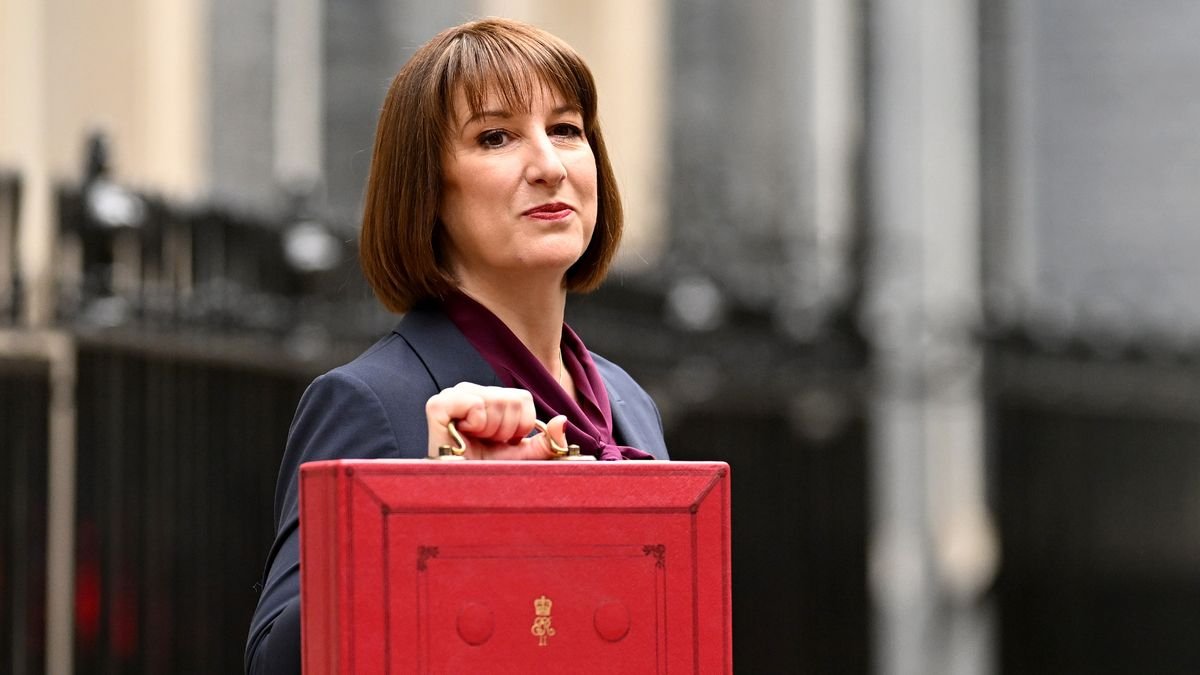

Chancellor Rachel Reeves is set to present a crucial Budget next week, addressing the challenge of filling a significant deficit in public finances while adhering to stringent spending guidelines. Recent indications suggest a potential need for tax increases, with Reeves emphasizing the collective responsibility for addressing the financial shortfall.
Previously, there were concerns about breaching Labour’s commitment to avoid raising income tax, but improved forecasts from the Office for Budget Responsibility have narrowed the estimated deficit to around £20 billion, a more optimistic outlook compared to earlier projections.
The upcoming Budget, scheduled for November 26, is expected to focus on key areas such as taxation policies affecting VAT, national insurance, and income tax. While there were considerations for income tax adjustments, recent developments have shifted the focus towards other measures to address the financial gap.
Reeves is contemplating extending the freeze on income tax thresholds for an additional two years beyond the initial timeline, potentially impacting taxpayers as their incomes increase. Additionally, discussions include potential adjustments to the minimum wage, aiming to raise it to approximately £12.70 by April 2026, representing a 4% increase.
Efforts to reduce the cost of living, particularly for struggling individuals, are a key priority, with proposals to alleviate energy bill expenses by eliminating VAT on such bills. Furthermore, there are discussions about revising the two-child benefit limit and potentially increasing gambling taxes to fund social welfare initiatives.
The Budget may also address adjustments to state pension rates, with projections indicating a potential 4.8% increase based on earnings growth and inflation metrics. Other considerations involve introducing a cap on pension contributions through salary sacrifice schemes and exploring alternative taxation methods for high-value properties.
Potential changes in tobacco and alcohol duties, as well as discussions on introducing tourist taxes at the local level, are also under review. The future of fuel duty, electric vehicle levies, and road taxes could see modifications, reflecting broader efforts to manage fiscal challenges and promote sustainable economic policies.