


In the realm of British media sensationalism, a long-standing tactic has been to instill fear by painting vivid pictures of overflowing rubbish piles, lengthy bread queues, and affluent individuals departing Heathrow airport en masse. This narrative blames the Labour party for the perceived woes of the 1970s and warns of a return to chaos under their governance.
Contrary to the current fearmongering, reminiscing about the 1970s brings back fond memories for many, including myself. It was a time of heightened equality, where opportunities for working-class youths to pursue trade skills or obtain free education were abundant, and community values held significant importance.
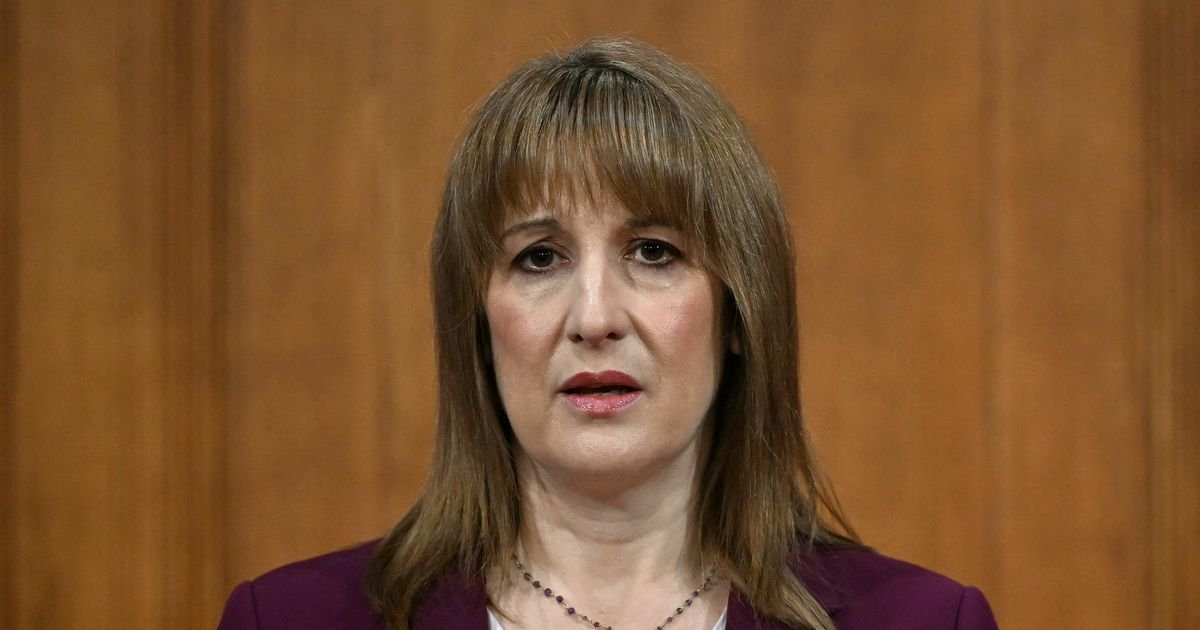
Amidst the current alarm bells, there are predictions that Rachel Reeves could potentially become the first chancellor since Labour’s Denis Healey in 1975 to raise the basic rate of income tax. However, historical context reveals that during Healey’s tenure, the basic tax rate stood at 33%, with multiple higher rates reaching up to 70%, all of which were raised by 2%. Comparatively, today’s top tax rate is 45%, and a proposed 2p increase by Reeves would only bring the basic rate to 22% – still lower than the rate during Thatcher’s era.
Critics argue that such a tax hike would breach Labour’s manifesto promise, potentially harming their electoral prospects. However, with Labour’s popularity dwindling, the stakes are high, especially considering the substantial annual interest payments on national debts. The alternative proposals from other parties, such as Nigel Farage’s tax cut reversal and welfare reduction plans, present their own challenges and uncertainties.
The blame game around tax policies is further complicated by the legacies of past governments, including austerity measures, Brexit decisions, pandemic missteps, and budgetary challenges. Labour’s struggle to connect with voters stems from perceived lack of direction and competence, underscoring the need for a strategic shift.
Addressing the harsh economic realities, Reeves faces the tough choice of advocating for increased taxation to stabilize the economy, with a focus on progressive taxation that burdens the wealthiest citizens more. While deviating from the promise of no income tax hikes may carry political consequences, prioritizing the nation’s financial health over party interests is crucial.
In preparation for the upcoming Budget, Reeves must deliver a candid message to the public, acknowledging the need for tax adjustments in line with economic imperatives. Drawing inspiration from past leaders like Healey, who faced similar challenges with resolve, Reeves must present a clear-eyed assessment of the current economic landscape.
As the political landscape evolves, the discourse on taxation and fiscal responsibility will continue to shape public opinion and policy decisions. Balancing the demands for robust public services, a sustainable welfare system, and reasonable tax rates requires honesty, pragmatism, and a steadfast commitment to national interests over partisan gains.