

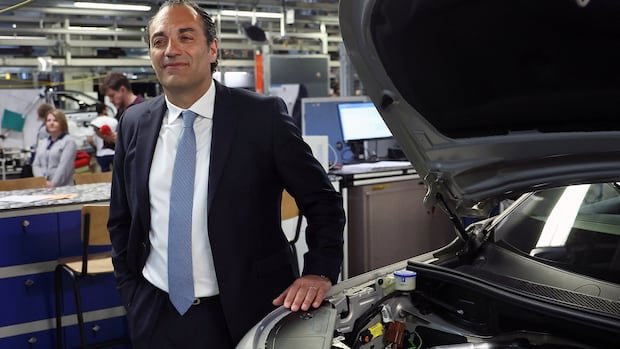

Stellantis CEO Antonio Filosa cautioned that the strategic changes would require time to show results after the global automotive company reported second-quarter earnings below expectations on Thursday, leading to a decline in its stock value.
In May, Stellantis presented a $70 billion revitalization plan to investors, aiming to introduce 60 new vehicle models by 2030 and recapture lost U.S. market share under the previous CEO, Carlos Tavares. Filosa highlighted three key areas of focus during a call with analysts: expanding market presence, cutting manufacturing expenses, and enhancing product quality. Progress on these fronts has been gradual.
Filosa emphasized the need for patience in addressing these challenges, stating that quick solutions were not feasible. He reassured reporters that the company was on the right track, implementing strategies efficiently and swiftly.
Stellantis experienced a 6% sales increase in North America, driven by strong sales of high-margin Ram pickup trucks and Jeep models, part of Filosa’s strategy to boost market share in the U.S. The Chrysler Pacifica minivan, manufactured in Windsor, also saw a 7% sales surge year-over-year.
Revenue remained stagnant in Europe as Stellantis had to lower prices to compete with increasing pressure from Chinese automakers. Similarly, European car manufacturers Volkswagen and BMW faced disappointing quarterly results due to heightened competition from China, tariffs, and rising expenses.
To counter Chinese competitors like BYD and Chery, Filosa revealed plans to leverage the company’s joint-venture partner, Leapmotor, which witnessed a substantial sales increase in Europe in the first half of 2026. Stellantis is working on developing new vehicle platforms for the European market to match the competitiveness seen in Chinese offerings.
Despite a significant increase in adjusted earnings before interest and tax to $884 million in the second quarter, surpassing the previous year’s figure by threefold, the results fell short of analysts’ expectations. The company’s Milan-listed shares closed down by 4.31%.
Citi analysts pointed out that the adjusted operating income margin remained low at 1.8%, attributing this to price reductions in Europe, higher administrative and research costs, unfavorable currency fluctuations, and tariffs. Since assuming the role in June last year, Filosa has focused on reviving sales volumes and reclaiming lost market share to lay the groundwork for a broader turnaround.
Stellantis has adjusted its electric vehicle ambitions and seen a decline in its stock value, decreasing by approximately 40% since Filosa’s appointment as CEO.
In the second quarter, Stellantis recorded a 13% year-on-year revenue increase, particularly bolstered by a 32% surge in North American sales driven by models like the Jeep Grand Wagoneer and Ram 1500 truck. While the North American revenue performance was commendable, Fabio Caldato, a fund manager at Stellantis investor AcomeA Sgr, noted that it was influenced by dealers increasing their inventories.
Looking beyond the positive revenue figures, Caldato suggested that Stellantis needed to address internal issues before launching new, higher-margin models successfully. Revenue in Europe remained flat during the quarter.
Despite the challenges, Stellantis maintained its full-year projections, including mid-single-digit revenue growth and a low-single-digit adjusted operating income margin. The company does not anticipate positive industrial free cash flow until the next year and predicted U.S. tariff costs ranging from $1.15 billion to $1.38 billion for the current year.