

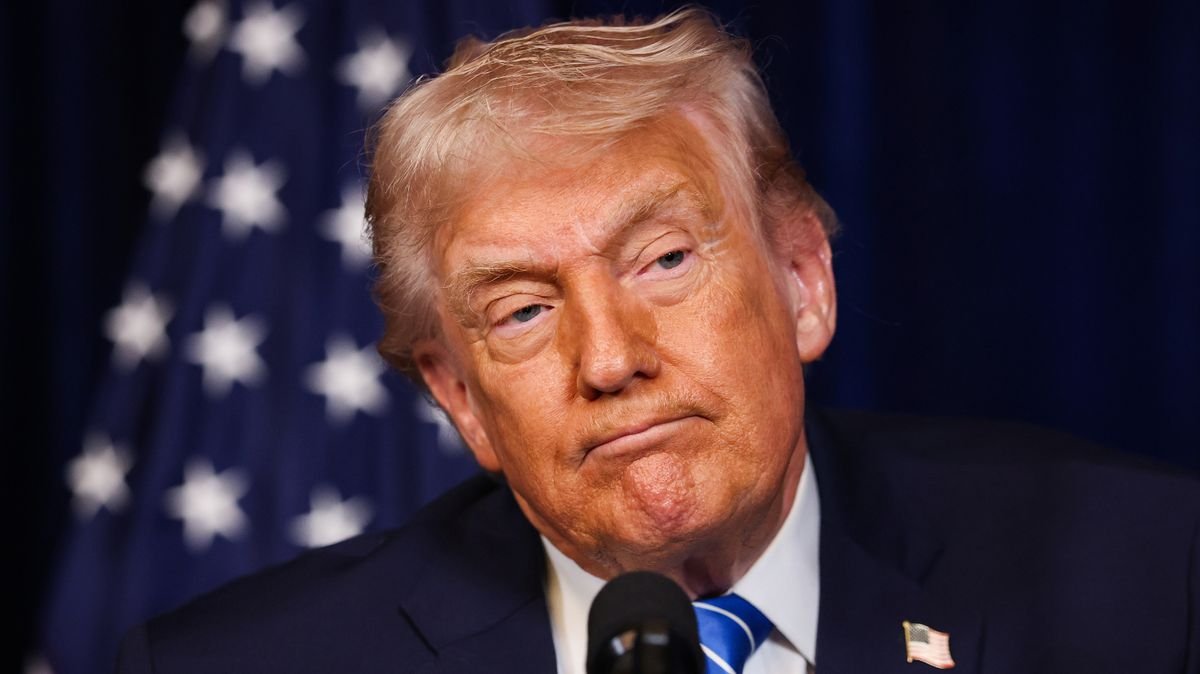

The unexpected move by US President Donald Trump to forcefully take control of Venezuela and capture its leader, Nicolas Maduro, has sparked concerns about potential future military interventions that could disrupt global order.
President Trump has indicated that the United States is eyeing Greenland, Cuba, Mexico, Colombia, and even Iran for potential military actions. This has prompted European nations to scramble to respond to the recent Venezuela operation and the US President’s threats. Of particular concern for the UK is the possibility of a US takeover of Greenland, a territory belonging to NATO member Denmark and a longstanding ally of the UK.
Despite objections from Denmark’s leadership, Trump has persistently proposed annexing Greenland, citing national security reasons and the island’s strategic and mineral-rich resources. While Denmark has urged the US to refrain from making threats, Washington sees Greenland as a valuable location for an early warning missile system, especially in light of the perceived threat posed by Russian hypersonic missiles.
The potential acquisition of Greenland by the US has raised tensions, with Greenland’s Prime Minister pushing back against the idea of a US takeover as a mere fantasy. The US administration’s aggressive stance on Greenland is seen as part of a broader effort to assert dominance and establish a new world order based on American interests and military power.
Trump’s unpredictable behavior and recent actions in Venezuela have raised speculation about possible future military actions against other countries perceived as adversaries, such as Cuba. While the seizure of Maduro was a significant move, the aftermath could lead to prolonged conflicts and diplomatic challenges, particularly with South American states.
The US’s interest in Greenland is driven by its importance for missile defense, with existing installations like the Pituffik Space Base serving as critical assets for national security. However, instead of negotiating upgrades to the base, Trump seems inclined to pursue a more aggressive approach, potentially leading to a direct confrontation with Denmark.
The escalating tensions and uncertainties surrounding Trump’s foreign policy decisions have also raised concerns about potential military engagements with other nations like Iran, Colombia, and Mexico. While Trump has made provocative statements regarding these countries, the actual likelihood of military action remains uncertain, with speculations suggesting a mix of strategic posturing and genuine threats.
In conclusion, the geopolitical landscape is fraught with uncertainty as the US under President Trump navigates complex relationships with key allies and adversaries, setting the stage for potential future military conflicts and diplomatic showdowns.