

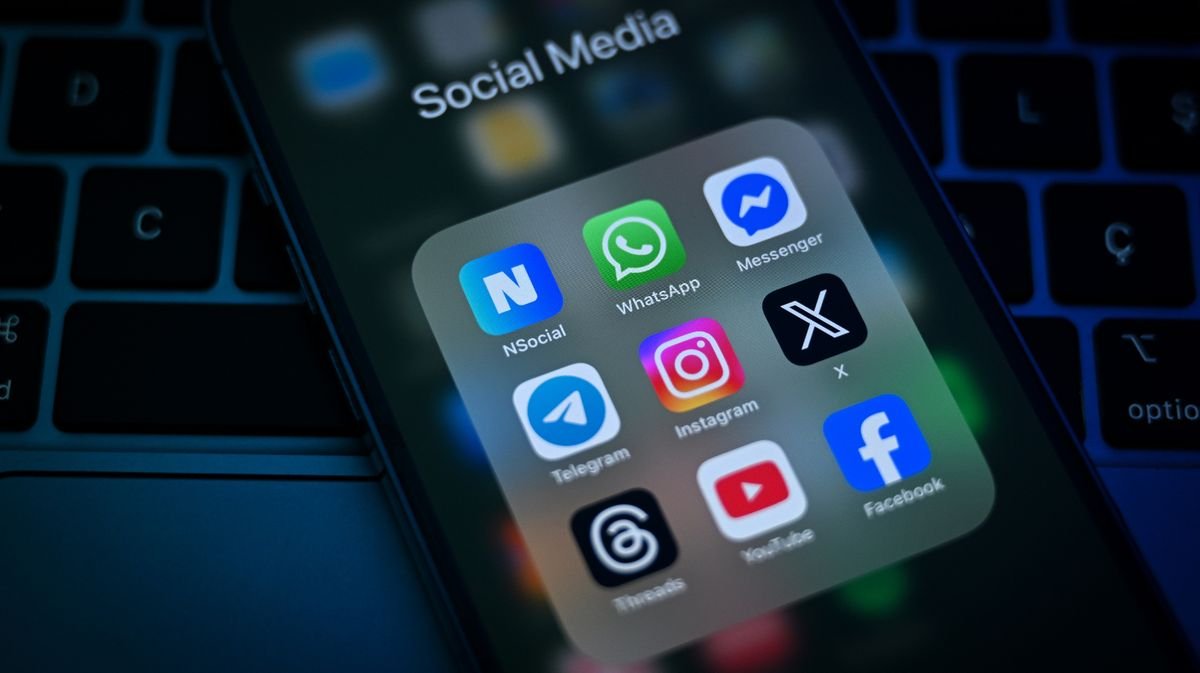

A new scheme aimed at WhatsApp users has emerged, potentially exposing users to privacy breaches. The internet is replete with news about emerging scams and dangers to personal data. Most individuals are aware of the importance of online safety, avoiding suspicious links, and refraining from downloading unfamiliar software.
However, scammers and hackers are becoming more sophisticated, making it challenging to identify fake messages or emails without prior knowledge. One such new scam, known as the “ghost pairing scam,” is currently affecting WhatsApp users, prompting caution when receiving messages on the platform.
A social media user named Caroline raised awareness about this scam through a TikTok video, warning that falling for this “terrifying” trick could grant hackers remote access to sensitive data. The scam operates by sending a message that appears to be from WhatsApp, urging users to secure their accounts or sending fake messages from known contacts to obtain verification codes.
By forwarding the received code as instructed, users inadvertently link their WhatsApp accounts to the scammer’s device, granting unauthorized access. This breach allows strangers to read messages, view photos, and send messages on the user’s behalf, potentially deceiving others in the contact list.
Interestingly, the pairing scam does not disrupt the user’s access to their WhatsApp account, making it difficult to detect compromise. To safeguard against such scams, users should never share verification codes with anyone.
WhatsApp will never request codes via text messages, and if a contact seeks a code claiming to have sent it in error, users should advise them to request a new code instead of sharing any received codes. Additionally, users can review their linked devices in the app settings to identify and disconnect unrecognized devices promptly.
Commenters on Caroline’s video expressed gratitude for the awareness raised, with many unaware of the scam’s existence. They pledged to share the information, especially with older family members who might be more vulnerable to such schemes.
One commenter shared a personal encounter with the scam, promptly blocking the perpetrator, while others thanked Caroline for sharing the information and affirmed that they had avoided falling for the scam.