

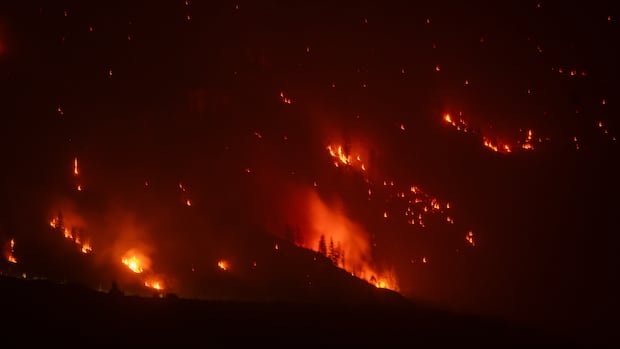

Fast-moving wildfires in British Columbia have forced numerous residents to evacuate as a provincewide state of emergency has been declared. The combination of high temperatures and strong winds has escalated the wildfire risk in various regions, leading firefighting crews to intensify their efforts to contain the blazes.
The current wildfire situation in British Columbia and across Canada remains a matter of concern. Fire danger assessments play a crucial role in determining the severity of wildfires based on factors such as weather conditions, fire location, and available fuel sources. These assessments aid authorities in effectively deploying resources to combat the fires.
The ongoing wildfires have resulted in widespread air-quality warnings due to smoke traveling long distances from the active fire zones. The smoke has even drifted into the United States, propelled by strong winds. Health Canada emphasizes the importance of monitoring air quality levels using the Air Quality Health Index (AQHI) to safeguard public health.
When the AQHI reaches seven or higher on the scale, indicating high risk, individuals are advised to limit outdoor activities if experiencing symptoms like coughing. Vulnerable groups, including the elderly, young children, and individuals with preexisting health conditions, are especially urged to take precautions during periods of poor air quality.