

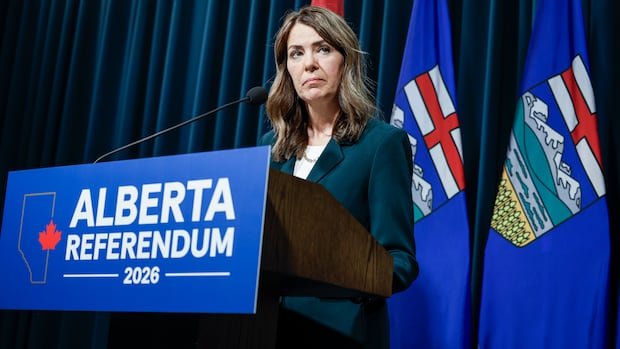

If Albertans vote affirmatively for the five immigration queries in the upcoming referendum this fall, a significant number of Alberta’s 260,000 non-permanent residents, including temporary workers, may lose access to health and education benefits. Additionally, all residents could potentially face additional fees on top of their existing taxes.
The primary question on Alberta’s October 19 ballot has garnered attention as Premier Danielle Smith has expressed opposition to the idea of separation. However, she supports and plans to campaign for the other nine immigration and constitutional reform questions proposed to Albertans.
These questions are presented as an alternative for individuals to voice their discontent with federal policies without advocating for secession. The intention is to seek a mandate for increased autonomy for the province.
While some questions appear symbolic, others have practical implications, such as restricting services and support for certain groups. Critics argue that the referendum measures could have significant consequences for temporary residents, including asylum seekers, student visa holders, and temporary foreign workers, although the exact impact remains unclear.
The first immigration question on the ballot asks voters if they support giving the provincial government more control over immigration to slow down the influx of newcomers. This shift in rhetoric comes following a surge in non-permanent residents earlier in the decade, leading to strains on various public services.
The fifth question addresses the requirement for proof of citizenship when voting, a topic of more significant debate in the United States than in Canada.
Questions 2 to 4 focus on provincial services and supports, including eligibility criteria and fees for non-permanent residents. Voting affirmatively to these questions could potentially impact access to healthcare and education for temporary residents.
The referendum questions aim to create distinctions among residents based on their immigration status, potentially leading to varied access to social services. However, the exact implications of these policies remain unclear, raising concerns among advocates for immigrants and newcomers.
The lack of clarity and public awareness regarding the referendum questions has sparked criticism, with calls for more information to help voters understand the potential consequences of their choices. As the referendum date approaches, gaining a better understanding of the proposed measures is crucial for informed decision-making.