

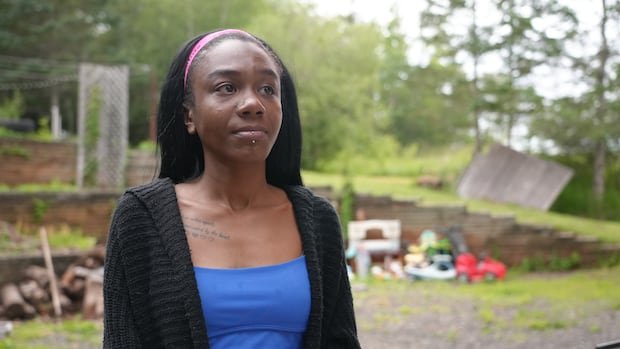

Kyesha Boudreau experienced a transient childhood, moving between about 12 foster homes, which left her feeling unwanted and overlooked by families. This sense of rejection made her more susceptible to sexual exploitation in her teenage years while living in group homes. Experts working with youth in government care have long recognized their heightened vulnerability to human traffickers. Recent court cases from December 2025 revealed instances of men engaging in the buying and selling of sex with girls as young as 14 from Nova Scotia group homes. Predators would target victims by lingering near these homes or scouting them out on social media platforms. The aftermath of such exploitation often leads to severe and enduring consequences for survivors.
Now 28 years old, Boudreau is dismayed that a decade later, the issue of child trafficking remains prevalent within the child welfare system. She believes that children in group homes are prime targets for traffickers due to unmet emotional needs, leading them to seek affection and attention from anyone offering it. Human and sexual trafficking typically involve coercion, where traffickers exploit vulnerabilities by manipulating or threatening individuals into providing services. Statistics show that Nova Scotia reported the highest rate of human trafficking incidents in the country, emphasizing the critical need for awareness and prevention efforts.
Perpetrators often target individuals lacking essential needs like food, shelter, or emotional support, gradually building trust to manipulate and exploit them. Traffickers use various tactics, such as offering gifts or befriending victims on social media. Location-sharing features in apps like Snapchat can further endanger vulnerable individuals by allowing traffickers to track their movements in real time. The evolving nature of exploitation, especially through online platforms, requires enhanced vigilance and intervention strategies to safeguard vulnerable populations.
Ashley Tiller from YWCA Halifax dispels misconceptions about trafficking, emphasizing that it often involves subtle coercion rather than overt violence. Traffickers may establish relationships with victims, gradually pushing boundaries until the targets comply with their demands. Survivors may take time to recognize warning signs, as traffickers often disguise themselves as caring individuals. The YWCA offers support programs for survivors, promoting voluntary participation to empower individuals in their healing journey.
Survivors like Boudreau stress the importance of sharing their stories to raise awareness and support those who have experienced similar challenges. Efforts to combat human trafficking involve public awareness campaigns, training for social workers, and collaborations with community organizations. By shedding light on the realities of exploitation and empowering survivors to reclaim their narratives, initiatives aim to protect vulnerable individuals and prevent future instances of trafficking.