

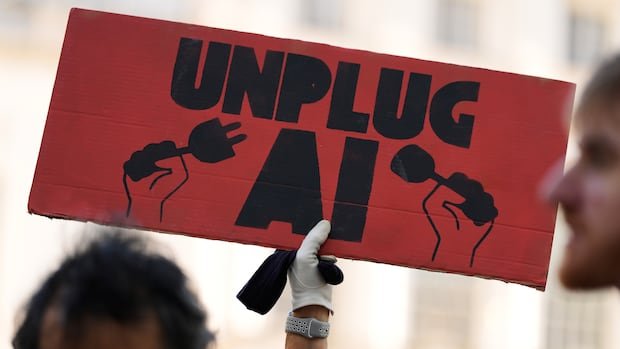

Amid growing concerns about the potential risks posed by AI systems, there is a call for governmental oversight as these technologies advance. While some believe that self-regulation by tech companies is sufficient, others, such as Microsoft co-founder Bill Gates and AI pioneer Geoffrey Hinton, argue for external safeguards beyond industry control.
Jaxson Khan, an expert in AI policy, highlights the lack of government regulations in the AI sector compared to other industries like food or aviation. He emphasizes the need for supervision to ensure responsible development and deployment of AI technologies.
The rapid evolution of AI models poses a significant challenge for regulators, with models doubling in capabilities every four months as per an Anthropic report. This pace of change makes it difficult for governments to keep up, according to Manon Paquet from McGill’s Centre for Media, Technology, and Democracy.
Global cooperation has been suggested as a solution, with calls for a non-industry international body to oversee AI risks. Prime Minister Mark Carney and other leaders advocate for global standards and incident reporting mechanisms to mitigate potential AI risks.
In Canada, there is currently no comprehensive federal AI regulation in place, but proposed legislation like Bill C-34 aims to set criteria for AI applications. The establishment of a national council on artificial intelligence is also part of efforts to guide the government’s AI strategy and ensure technology safety.
While challenges exist in regulating multinational AI companies, experts suggest that governments can enforce reporting requirements and hold companies accountable for incidents affecting citizens. Establishing policies for incident reporting and transparency could lead to a more informed public and showcase leadership in AI governance.