

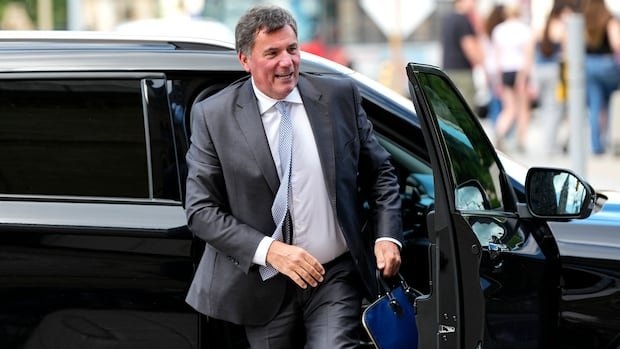

Canada’s Trade Minister Dominic LeBlanc engaged in a lengthy discussion with American officials in Washington to finalize a deal aimed at reducing tariffs on Canadian industries and reinstating U.S. alcohol sales in provincial liquor stores. The meeting with U.S. President Donald Trump’s top trade official, Jamieson Greer, was characterized by positive developments according to LeBlanc. Although specific details of the agreement were not disclosed, insider sources revealed that U.S. tariffs on Canadian steel and aluminum would be reduced from 50% to 25%, with ongoing discussions on derivatives and exemptions.
Furthermore, the deal is expected to lower Trump’s tariff rate on Canadian cars and trucks from 25% to 15%, potentially dropping to 7.5% for non-U.S. vehicle components. In exchange for tariff reductions, the U.S. expects the end of the U.S. alcohol boycott in provincial liquor stores and the removal of provincial restrictions on American companies competing for government contracts in Canada.
While some premiers expressed support for the negotiations led by LeBlanc and former Bank of England Governor Mark Carney, others like Manitoba Premier Wab Kinew voiced skepticism towards dealing with Trump. Despite concerns, Kinew acknowledged the necessity of restoring U.S. liquor sales as part of the agreement. Premier Tim Houston of Nova Scotia and Premier Christine Fréchette of Quebec also shared their perspectives on the potential impacts of the trade deal on their provinces.
Premier David Eby of British Columbia emphasized the importance of standing together as “Team Canada” to navigate the evolving trade landscape and secure beneficial agreements for the country’s economic growth and stability. He echoed Carney’s commitment to enhancing Canada’s economy and diversifying international partnerships, underscoring the need to adapt to the changing trade dynamics for a stronger and more resilient economic future.