

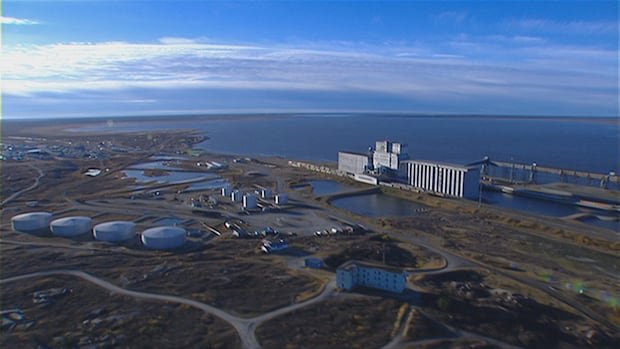

Residents of Churchill, Manitoba, are pleased with recent findings indicating the potential for an extended shipping season but emphasize the importance of considering the impacts on tourism and the environment. Studies commissioned by Arctic Gateway Group, the owner of Port of Churchill, suggest that it may be feasible to have year-round shipping through Hudson Bay without the need for expensive icebreakers due to diminishing sea ice levels.
Manitoba Premier Wab Kinew expressed optimism on Friday that these studies could pave the way for shipping liquefied natural gas through the only rail-accessible deepwater port in Canada’s Arctic waters. Dave Daley, a tour operator from Wapusk Adventures in Churchill, highlighted the potential benefits of year-long shipping, such as boosting the local population and providing economic opportunities for the youth. However, concerns persist regarding the implications for the environment and the town’s ecotourism industry.
Jeremy Allen, a tour operator with Lazy Bear Expeditions, acknowledged the challenge of balancing tourism and environmental needs with increased shipping activities. Despite the possible impact on wildlife, he believed that most residents would support expanding the shipping season. Kinew also addressed concerns about the environmental effects of LNG shipments, noting the differences compared to oil shipments and anticipating less opposition from Indigenous and local communities.
Wildlife ecologist Ryan Brook emphasized the sensitivity of the local landscape, warning that any industrial accident could have catastrophic consequences. Marine mammal expert Kristin Westdal called for thorough studies on the potential impacts on local wildlife, including belugas, narwhals, and polar bears, before proceeding with economic development plans.
While the feasibility of year-round shipping remains speculative, the required vessels are estimated to cost hundreds of millions, significantly less than the expensive icebreakers needed for Arctic Ocean travel. The commissioned studies highlighted that the current port entrance may pose challenges for the tankers needed for year-round shipping. Kinew projected that an expansion, including an offshore LNG terminal, could cost $70 to $80 billion, with plans to attract investors for the project.
Former port worker Joe Stover emphasized the importance of diversifying the town’s economy, acknowledging the need to responsibly seize opportunities amid the changing climate.