



The challenges of downsizing and relocating cherished belongings

Upon selling her Surrey, B.C., townhouse to reside with her son and grandchildren, Susan Masi faced the inevitable task of parting with sentimental possessions.
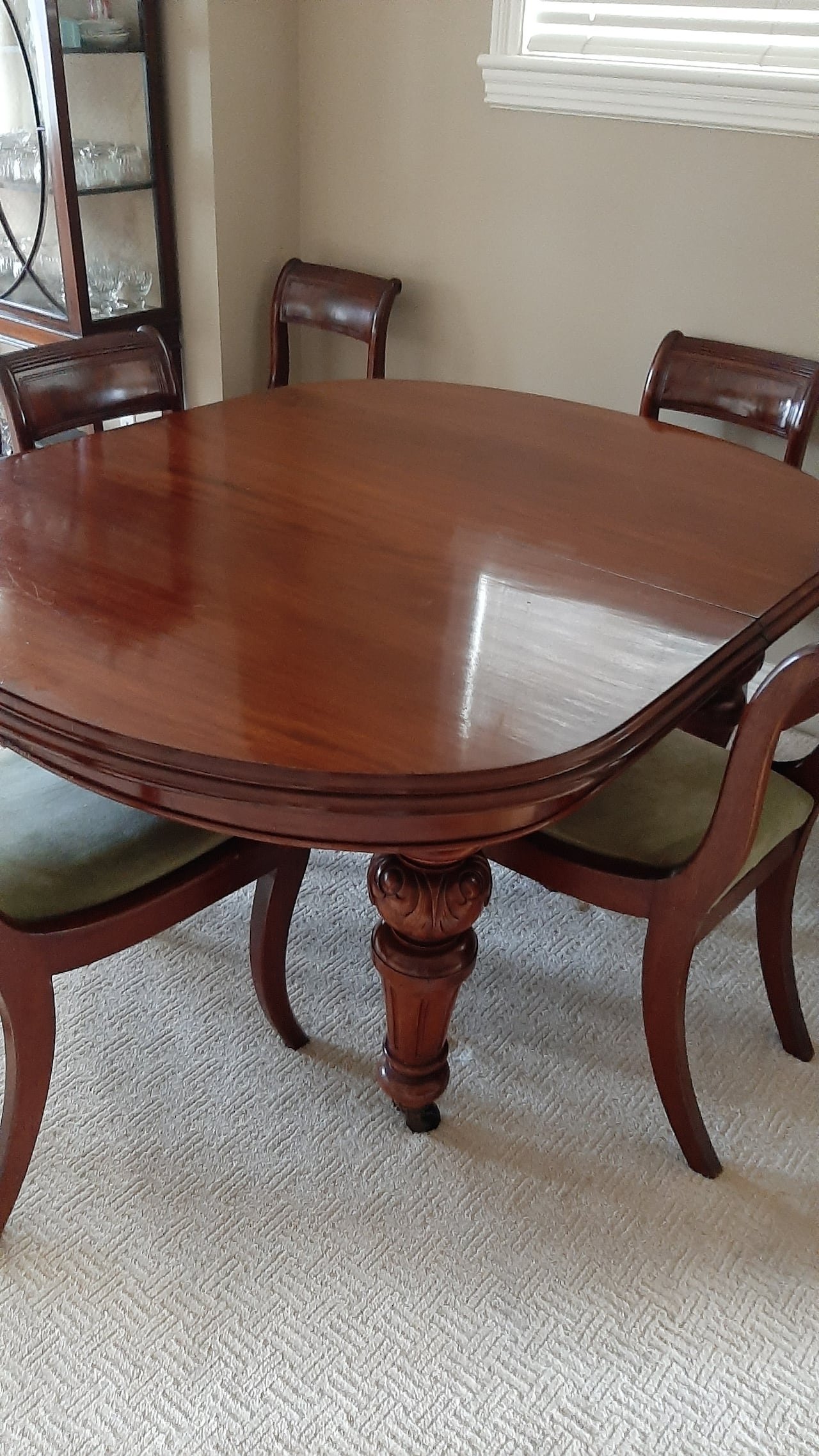
Among these were a cherished China cabinet from her mother and a mahogany dining table passed down from her great-grandmother, believed to be over 126 years old.
Masi expressed the emotional difficulty of letting go of items with profound memories attached.
“We used to gather 12 people around that table. It pains me to part with it, but it no longer fits in my current home,” the 79-year-old widow shared with guest host Rebecca Zandbergen on The Current.
She recounted having to relinquish various items such as furniture, dinnerware, and trinkets.
“I have very little left. Now I reside in a contemporary home with two young children,” she added.
June Cotte, a marketing professor at Western University, emphasized that deciding to part with personal belongings can be a challenging and sentimental process, akin to shedding a piece of one’s identity.
“Letting go of a treasured possession is akin to letting go of one’s perceived identity and values,” shared Cotte, an expert in consumer behavior and former president of the Association for Consumer Research.
The aging Canadian population indicates a growing trend where individuals may face similar dilemmas. According to a 2024 report by Statistics Canada, approximately one in four Canadians will be aged 65 or older by 2030. A recent RE/MAX survey revealed that 16% of Canadian respondents aged 65 or older plan to downsize their residences within the next decade.
Cotte highlighted that individuals often turn to family or friends initially to offer their beloved possessions, leading to challenging conversations.
She noted that people may retain items they could give away due to the lack of a suitable recipient.
“They may believe that no one will value it, leading them to delay the decision until it is ultimately too late,” added Cotte.