

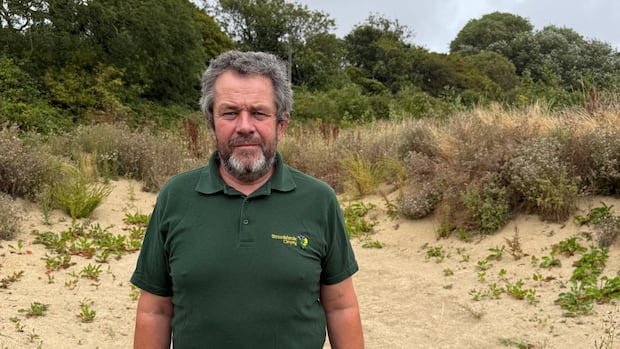

In a field on his farm in southern England, James Baird gestured to deep cracks in the earth, expressing astonishment at the unprecedented conditions of this summer. Baird, a veteran crop farmer, noted that his cereal harvest was completed much earlier than usual, with yields at Stroodelande farm down by 25 percent. Despite England’s reputation for rain, the past five years have seen recurring droughts, leading to noticeable patterns, Baird stated. This summer stands out as the driest he has encountered in his farming career.
The lush green countryside of England, typically a sight by early August, has turned parched due to successive heat waves and prolonged dry spells. Official reports confirm that half of England and all of Wales are now facing drought conditions. July rainfall was a mere fraction of the average, with southern England receiving as little as 0.7 millimeters of rain.
The prolonged dry weather has not only impacted agricultural practices but has also raised concerns about long-term water security in Britain. By 2050, England is projected to face a substantial water supply deficit, sparking worries of potential food shortages. The scorching heat has led to reduced crop yields, dried up rivers, and escalated the risk of wildfires. Nearly a quarter of the population in England and Wales is under hosepipe bans, with strict penalties for violating water usage restrictions.
The escalating challenges posed by the drought are also affecting farmers’ livelihoods. Eleanor Gilbert, a farmer at Rookery Farm in Hampshire, recounted a harrowing experience of battling a wildfire on their property due to the dry conditions. The surge in wildfires across England and Wales has pushed firefighters to their limits, making July the busiest month on record for responding to such incidents.
Climate researcher Claire Barnes highlighted the direct link between extreme heat, dry conditions, and the increased risk of wildfires. The drying vegetation across Western Europe has created a tinderbox situation, where a mere spark can ignite devastating fires. Farmers like Gilbert, Baird, and Christensen are adapting their farming techniques to cope with the changing climate, emphasizing the need for resilience over efficiency.
Beyond agriculture, the drought is reshaping life along Britain’s inland waterways, affecting houseboat residents and travelers. Low water levels have led to canal closures, impacting the scenic living arrangements on houseboats. Despite the challenges, individuals like Nici Griffin and Sharon Bull remain resilient, adapting their journeys and lifestyles to navigate the evolving conditions.
As the impacts of the drought continue to unfold, the need for sustainable practices and adaptive strategies becomes increasingly crucial for farmers and residents alike in England and Wales.