


Two former police officers accused of the murder of South African anti-apartheid hero Steve Biko will be requesting government funding to support their claim of innocence as the inquest into Biko’s death reopens after 48 years. This move is expected to provoke strong reactions as both men have denied any involvement in the killing.
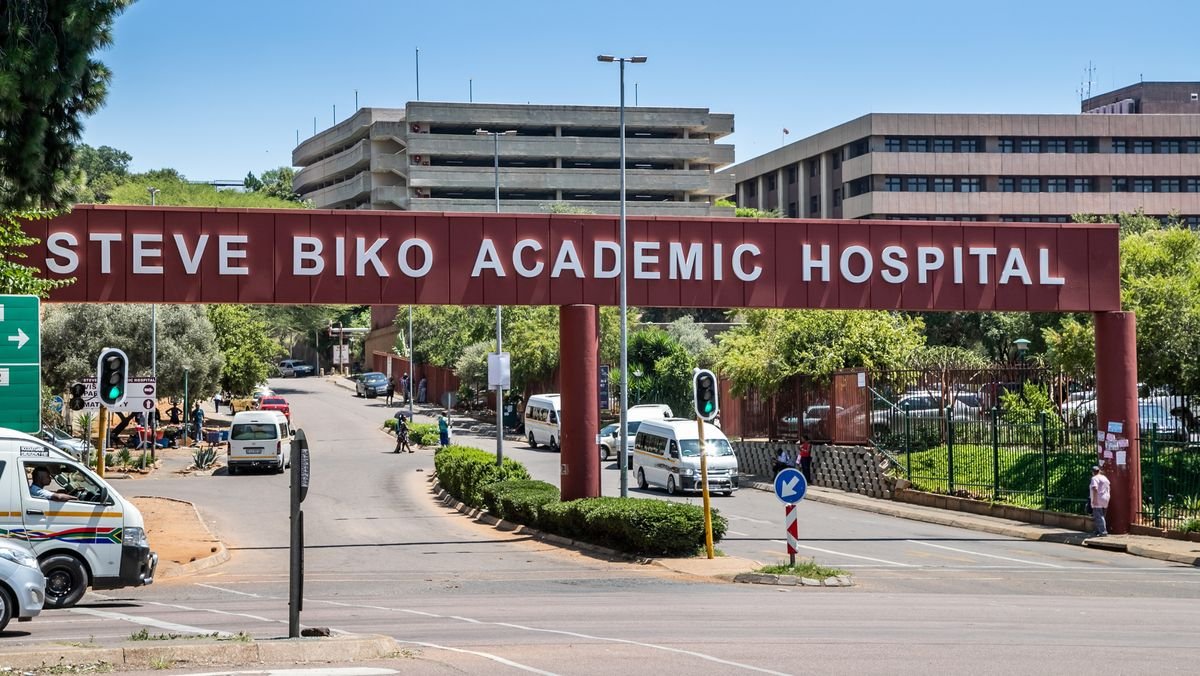
Steve Biko, who drew inspiration from the imprisoned iconic leader Nelson Mandela, spearheaded the resistance against South Africa’s oppressive apartheid regime but tragically succumbed to severe injuries inflicted by the police, leading to his death in a hospital.
Biko’s legacy as a global icon was further immortalized when musician Peter Gabriel dedicated his song ‘Biko’ to him in 1980, and in 1987, actor Denzel Washington portrayed him in the movie Cry Freedom.
Despite the passage of time, the quest for justice continues, with a source close to the Biko family expressing disappointment over the lack of accountability for the police officers involved in Biko’s death. The ongoing legal proceedings raise questions about the allocation of public resources to support individuals who have evaded justice for nearly five decades.
Nkosinathi, Biko’s son, emphasized the importance of uncovering the truth rather than seeking vengeance, highlighting the lasting societal inequalities and economic disparities that persist in South Africa, reflecting his father’s unrealized vision for the nation.
The circumstances surrounding Biko’s death, including the brutal police assault and subsequent neglect, have long been a point of contention, with the initial inquest concluding that no one was responsible for his demise, a verdict that sparked international outrage.
Nelson Mandela, who later became South Africa’s President, hailed Biko as a pivotal figure in the fight for justice, attributing his death to the apartheid government’s fear of his influence on the black liberation movement.
The Mirror’s unwavering stance against apartheid contrasts with other British publications of the era, exemplified by its critical coverage of Biko’s death and the subsequent attempts to distort the truth by government officials.
Efforts to shed light on Biko’s untimely death and the legacy he left behind serve as a reminder of the ongoing struggle for justice and equality in post-apartheid South Africa.