

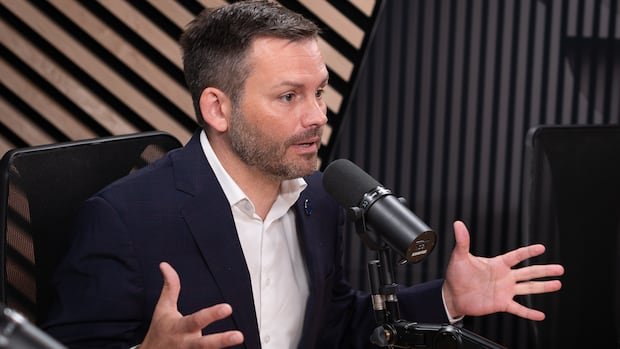

Parti Québécois Leader Paul St-Pierre Plamondon has confirmed that a referendum on sovereignty will not be held while U.S. President Donald Trump is in office. This decision was announced just over a week before the commencement of Quebec’s election campaign.
St-Pierre Plamondon stated that the referendum would not take place until after Trump’s term ends in 2029, providing a window of opportunity for the referendum to occur within his party’s first mandate if they secure a majority in the upcoming October 5 election.
Speaking with CBC News, St-Pierre Plamondon emphasized that this clarification of the party’s intentions aims to address concerns arising from the current administration’s impact on Canadian politics. He highlighted the need to address challenges created by the Coalition Avenir Québec (CAQ) and emphasized that a referendum has always been part of their plans within the initial four years of governance.
The announcement by St-Pierre Plamondon coincides with economic uncertainties tied to potential U.S. tariffs, which have previously impacted Quebec’s economy. Philippe Fournier, a poll analyst, noted that while the Parti Québécois holds a slight lead over the Quebec Liberal Party in opinion polls, the majority of voters are not in favor of an immediate referendum.
Critics, including Éric Duhaime of the Conservative Party of Quebec, have labeled St-Pierre Plamondon as a “referendum weather vane,” questioning the trustworthiness of his sudden shift in stance on independence. Other opposition leaders, such as Charles Milliard of the Quebec Liberal Party, have criticized the lack of clarity in the PQ’s intentions, suggesting that postponing the referendum implies a weak commitment to separating Quebec from Canada.
Despite the criticisms, St-Pierre Plamondon remains firm in his assertion that a PQ government would proceed with a referendum within its first mandate. The party aims to run a campaign that is comprehensive and transparent on all issues, appealing particularly to soft nationalist voters who may prioritize a change in leadership over an immediate referendum.
Concerns linger about the effectiveness of St-Pierre Plamondon’s strategy in addressing voter apprehensions and navigating the complexities of Quebec’s political landscape.