

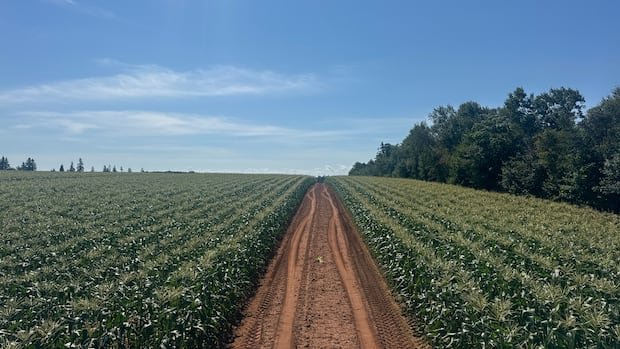

Prince Edward Island’s corn season is finally catching up after a cold spring delayed growth, coinciding with the arrival of more affordable corn from Quebec in grocery stores. Matthew Compton, the owner of Compton’s Farm Market in Summerside, mentioned that the colder weather in May and June hindered the start of the sweet corn harvest but did not affect the planting quantity. Corn requires warm soil and temperatures for optimal growth, which the cold spring had initially delayed.
To expedite the readiness of some of his crop, Compton utilized biodegradable plastic to create a greenhouse effect, aiding in faster germination and growth of the corn. The sweet corn quality and flavor have been exceptional due to recent rain and warmer temperatures, with sales commencing earlier this week.
However, Compton noted that the main sweet corn crop in the fields is slightly behind schedule. Timeliness is crucial as the demand for sweet corn peaks in midsummer when tourists visit the Island and families purchase corn for activities like campfires and barbecues. Delaying the season into September could impact demand negatively.
Mark Verleun from Keddy’s Corn in Montague also highlighted the challenges of a cold and wet spring, resulting in a delayed germination period. The weather conditions improved in early July, signaling better growth progress. Verleun aims to open for the season soon, planning to have corn until October 1, subject to fall frosts determining the season’s length.
Both farmers are monitoring the situation in Quebec, where an excess of sweet corn has caused prices to drop due to oversupply. Quebec’s surplus corn can easily enter the Maritimes market, affecting local prices. Compton emphasized that the surplus from Quebec has influenced corn prices in the Maritimes, providing consumers with cheaper alternatives but potentially lowering local farmers’ selling prices.
Despite the competitive pressure, Compton and Verleun have maintained stable prices to remain competitive and sustain market presence. Compton urged consumers to support local farmers by choosing local produce even if it comes at a slightly higher cost, emphasizing the positive impact on the local economy from such support.