


The ongoing cost of living challenges have led to a continuous increase in food prices over recent years, impacting consumers across the nation. This trend becomes evident when shoppers encounter higher prices on familiar products during their visits to supermarkets.
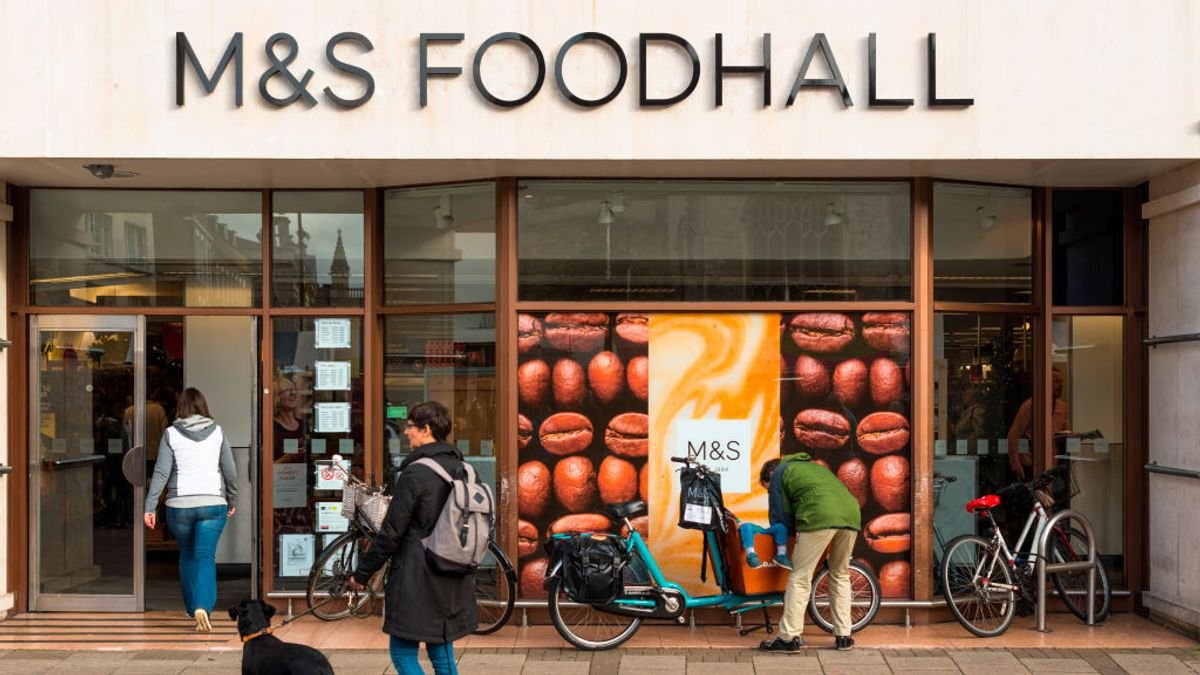
In response to these price hikes, many individuals have opted for supermarket own-brand essentials as a cost-saving measure, foregoing well-known labels. However, this strategy may not always yield significant savings, as observed in a recent visit to Marks & Spencer.
While Marks & Spencer is traditionally associated with premium offerings, it typically offers reasonably priced everyday items. For instance, their Classic Mayonnaise is priced at £1.50 for a 500ml container, only slightly higher than similar products from competitors like Sainsbury’s and Tesco.
However, a surprising discovery was made when exploring their new Only… Ingredients range, particularly concerning the cost of their Olive Oil Mayonnaise. Priced at £4.50 for a 250g tub, this variation, made with only six ingredients, stands out for its premium pricing compared to the more affordable Classic Mayonnaise.
Despite the perception that simpler ingredients should translate to lower prices, this was not the case with the Olive Oil Mayonnaise at Marks & Spencer. Consumers in the UK have observed a significant rise in olive oil prices in recent years, attributing the higher cost of products containing olive oil to this trend. However, the substantial price gap between the Olive Oil and Classic versions raises concerns among shoppers.
Fortunately, other items in the Only… Ingredients range appear to be more in line with standard pricing, offering consumers a variety of options at reasonable rates. For example, the 6 Heritage Gold Pork Sausages and 4 White Rolls are priced competitively, making them accessible choices for shoppers seeking quality products with fewer ingredients.
While promoting simplicity in food ingredients is commendable, the disparity in pricing, as seen with the Olive Oil Mayonnaise, may deter some consumers. It is essential for retailers to strike a balance between quality and affordability to cater to diverse consumer preferences.
As the cost of olive oil continues to impact British markets, various global and local factors contribute to the escalating prices. Challenges such as reduced supply due to poor harvests, supply-demand imbalances, higher import costs, currency fluctuations, and quality tier distinctions all play a role in shaping the pricing dynamics of olive oil products in the UK market.
Retailers must navigate these complexities to offer competitive pricing and value to consumers while ensuring product quality and sustainability in the supply chain. The increasing costs underscore the importance of transparency and consumer education regarding pricing determinants in the food industry.