

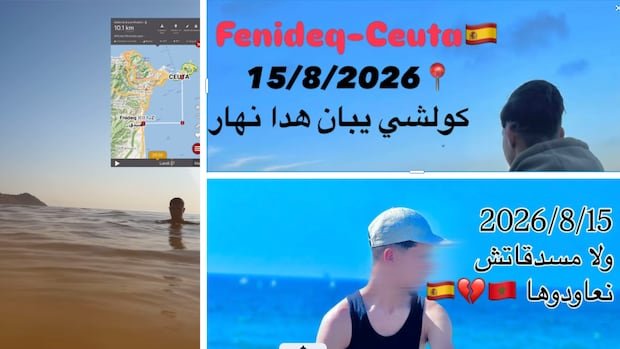

In the days leading up to the recent mass migration to Europe, a brief video shared on Instagram gained 1.4 million views. The video depicted a young man partially submerged in water, followed by a view of land in the distance, with a map showing a sea route from Fnideq, Morocco, to Ceuta, a Spanish enclave in Africa. The account holder later claimed in comments that “we’ve arrived.”
Numerous viral posts on platforms like Instagram and TikTok played a role in mobilizing two waves of irregular migration from Morocco to Ceuta. These online communities, focusing on migration culture through music, memes, and imagery, seemed to exploit the aspirations of African and Middle Eastern youth seeking better opportunities abroad for profit.
Debate exists among governments and organizations regarding whether a single entity orchestrated the events in Ceuta or if migration was manipulated for political purposes. However, what remains evident is that misinformation proliferated by various online communities fueled the influx of migrants towards Ceuta during the summer.
The surge in social media activity was identified by CBC’s visual investigations team, assisted by Sebastian Vandermeersch from Bellingcat. Misinformation regarding a Spanish court ruling supposedly allowing migrants to enter the country by sea triggered a wave of posts promoting the idea of a feasible crossing, leading to over 72,000 people entering Ceuta on July 30.
While the majority of those who crossed returned to Morocco, around 5,000 individuals remain in Ceuta with assistance from charities, highlighting the harsh realities of migration. The manipulation and dissemination of misinformation across online platforms had tangible consequences, emphasizing the significant impact such actions can have on vulnerable populations seeking a better life.
Social media accounts directed followers to WhatsApp groups for planning crossings and shared guidance on reaching Ceuta. Some posts, like a video titled “the shortest distance,” strategically pointed out the optimal crossing spots, while others offered advice for a fee, exemplifying the exploitation present in the migration discourse.
Efforts by Meta and TikTok to fact-check content aimed at preventing the exploitation of migrants for profit by criminal organizations were undertaken after the initial wave of crossings. Subsequently, a new influx of posts emerged ahead of August 15, signaling another opportunity for migration, with familiar accounts and new ones promoting the event.
The situation underscores the need for vigilance against misinformation and manipulation in the online sphere, especially when targeting vulnerable populations seeking opportunities abroad. The urgency and desperation fueling migration aspirations among disillusioned youth in North Africa emphasize the complex interplay between social media influence and real-world consequences.