

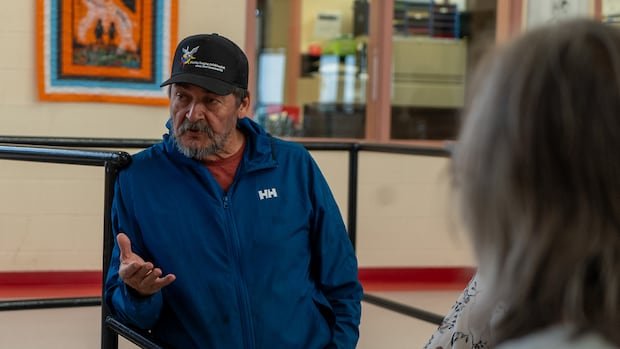

Long Lake #58 First Nation Chief, John O’Nabigon, expressed deep sorrow and frustration following the recent loss of a young community member to a drug overdose. This marked the third drug-related death among the youth in the community this year. In response to the ongoing drug crisis, Chief O’Nabigon announced the hiring of an Indigenous-operated security company to implement checkpoints within the community.
Earlier this year, Long Lake #58 declared a state of emergency due to the influx of drug traffickers supplying vulnerable members within the community. In a joint effort with Ginoogaming First Nation, both communities raised concerns over the lack of action from government and policing authorities in addressing the drug-related issues.
Ginoogaming’s Chief, Sheri Taylor, emphasized the urgency of the situation, stating that young lives are being lost at an alarming rate. Despite the emergency declarations, the communities feel neglected by provincial, federal, and policing partners in addressing their concerns.
The Thunder Bay district, where both communities are located, has been battling a high rate of opioid-related deaths, significantly exceeding the provincial average. Chief O’Nabigon reiterated the need for a coordinated response from government and law enforcement agencies to combat the trafficking of dangerous drugs into the community.
Anishinabek Police Service (APS) reported an increase in drug trafficking activities originating from the Greater Toronto Area, prompting heightened enforcement measures. The Royal Canadian Mounted Police (RCMP) affirmed their commitment to collaborating with Indigenous leadership and policing partners to combat organized crime and ensure community safety.
In response to the community’s safety concerns, Long Lake #58 and Ginoogaming have taken proactive steps by implementing security measures and forming partnerships with external security groups. These initiatives aim to address the gaps in protection within the communities and deter illegal drug-related activities.
Chief Taylor highlighted the importance of community protection under their treaty rights and emphasized the need for additional support in maintaining safety. While these efforts have shown positive outcomes, they have incurred costs to the First Nations. Both communities are advocating for enhanced professional services to address addiction issues locally and prevent the need for community members to seek care elsewhere.
The Chiefs remain hopeful that drug dealers will be held accountable for their actions, emphasizing the importance of community solidarity during challenging times.