

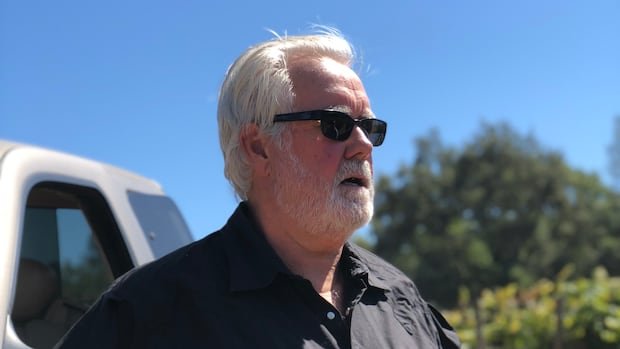

The routine of shipping Syrah wine from Bill Easton’s winery in California to Montreal every six weeks was disrupted when Quebec stopped selling American alcohol last year. As a result, Easton now pays $1,200 every four weeks to store wine in a temperature-controlled facility. Despite having wine specifically labeled for the Quebec market, winemakers like Easton are puzzled about being entangled in trade negotiations.
Canadian provinces halted the distribution of U.S. alcohol products in response to tariffs imposed by President Donald Trump. Prime Minister Mark Carney has urged provinces to reconsider to prevent new tariffs on Canadian goods. Premier Wab Kinew of Manitoba expressed skepticism about lifting the ban on U.S. alcohol, questioning the reliability of trade deals with the U.S.
The ban on American alcohol has led to significant losses for U.S. producers and distillers. For instance, wine exports to Canada dropped by $343 million between 2024 and 2025. The Oregon Wine Growers Association and other industry groups emphasize the importance of rebuilding trust and stable trading relationships with Canadian buyers.
While some Canadians are hesitant to return to buying American brands due to personal boycotts or loyalty to local products, others, like Phillips Distilling, have already adapted by moving production to Canada. Industry leaders are advocating for a negotiated solution to restore American spirits to Canadian shelves and resolve the ongoing trade dispute.
Despite the financial impact of the bans on his business, Easton remains cautious about the prospects of a resolution. He hopes for a return to normalcy but remains uncertain about the future of trade relations between the two countries.