

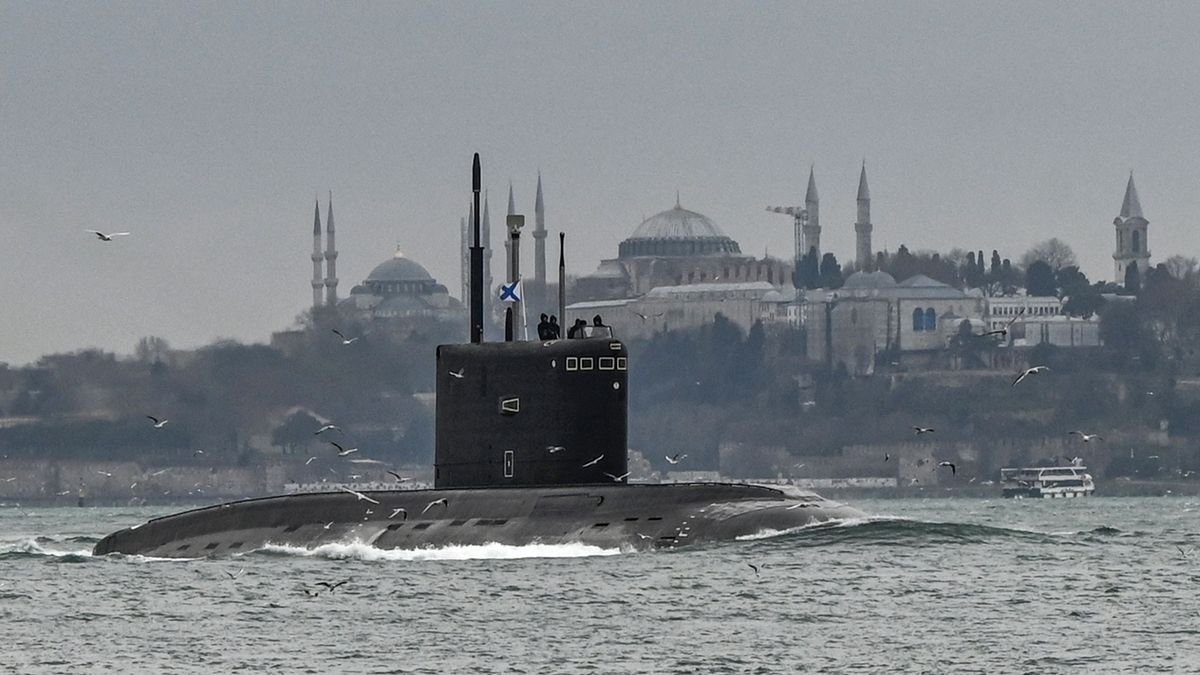

In recent years, safeguarding the northern borders of Britain has gained significant importance for the UK due to the escalating threat posed by Russia. Russian submarines from the Kremlin have reportedly been conducting more frequent covert operations in the area, primarily to survey access points to UK facilities and underwater cables.
These submarines have been increasingly present off the coastline to assess detection capabilities and gauge the UK’s response. The strategic importance of these covert activities lies in the crucial role played by underwater cables connecting Europe, the UK, Ireland, and North America, facilitating millions of financial transactions and secure communications.
Amid concerns of potential sabotage during wartime, such as by using Special Boat Service commandos like Naval Spetsnaz, the risk of disrupting these vital communication links is a serious issue. There are suspicions that Russia has been developing devastating “domesday bombs” capable of creating destructive tsunami-like waves through underwater explosions along enemy coastlines.
The secretive nature of Russia’s underwater operations, including its covert submarine fleet and specialized naval commandos, underscores the level of sophistication and threat posed by these activities. Additionally, with the changing climate leading to the opening of new maritime passages in the North Atlantic, the region is emerging as a critical trade and military route for nations seeking to assert power and engage in economic partnerships.
Given these evolving challenges, the recent agreement between the UK and Norway has become pivotal for the UK’s security and global influence. Norway’s NATO membership and close military ties with the UK, particularly involving Royal Marines Commandos training, further enhance the collaborative efforts to address security concerns in the region.
As part of its defense strategy, the UK’s Type-26 frigates play a crucial role in countering Russia’s underwater threats with advanced anti-submarine capabilities and versatile warfare readiness. The ongoing training for harsh climates in Scandinavian countries highlights the continued importance of preparedness against potential security risks in the region.