


As the winter season approaches, we all seek warmth and comfort, especially when it comes to bedtime. The good news is that achieving coziness doesn’t have to come with a hefty increase in energy expenses. Simple, cost-effective adjustments can make a significant difference in keeping you snug while also keeping costs in check.
Dilly Carter, a renowned home organizer and television personality, shares valuable insights on preparing our homes for the winter months.
“Instead of heating the entire house at night, focus on warming up your bed,” suggests Dilly. She recommends switching to a winter duvet, adding an extra blanket, or utilizing an electric blanket to pre-heat your bed before sleep, with modern versions designed to automatically switch off once you’re asleep.
Looking beyond the bed, Dilly advises enhancing insulation by adding affordable, thicker linings to existing curtains. “Preventing heat loss from your home is key to reducing energy expenses,” she emphasizes.
Continuing on the heating theme, Dilly highlights the importance of bleeding radiators in all rooms to ensure they are emitting maximum heat. She also stresses the significance of using a heating timer efficiently, programming it to operate only during essential hours. Understanding your home’s heating dynamics is crucial, as modern houses warm up quickly and retain heat for a period even after the heating is turned off.
To promote effective heat circulation, Dilly advises rearranging furniture that obstructs radiators and avoiding hanging clothes on bedroom radiators, which can impede heat distribution.
<p"There are numerous simple and cost-effective ways to keep your home warm this winter," Dilly notes. "Many of these solutions require minimal to no expense."
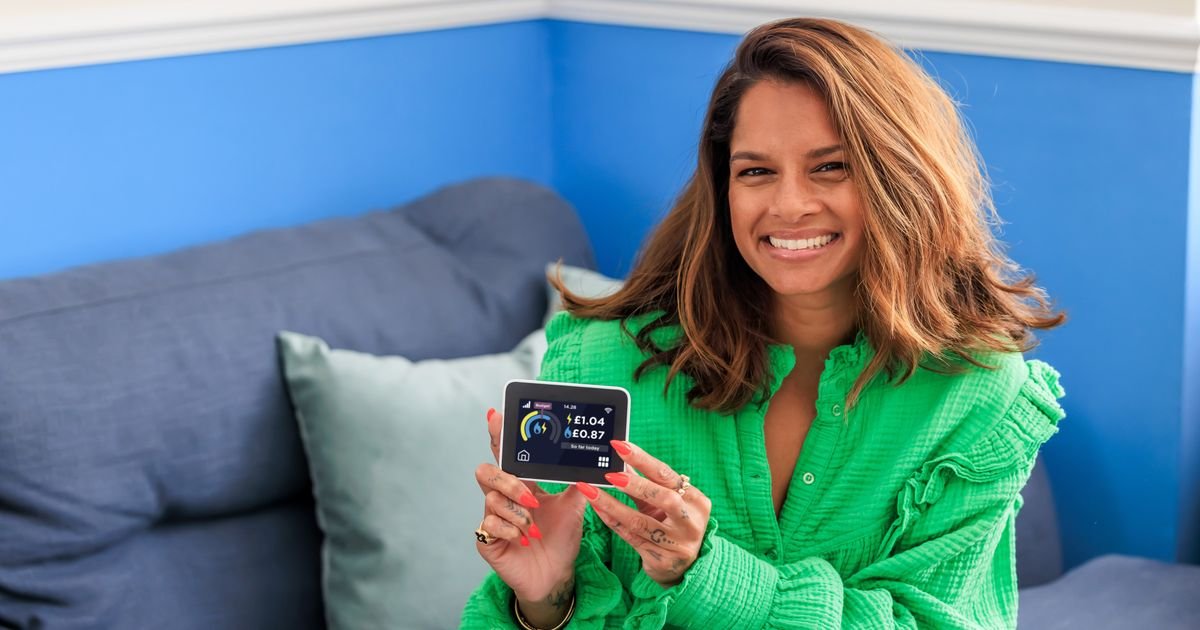
Dilly recommends taking control of energy costs by installing a smart meter, which provides real-time insights into energy consumption patterns and costs. “It’s a straightforward starting point. Understanding your energy usage helps identify areas where you can make reductions,” she explains.
Smart meters, offered by energy suppliers at no additional cost, display energy consumption in monetary terms, offering a clear overview of usage patterns.
<p"Increasing energy efficiency doesn't necessarily demand major investments in technology; focusing on the basics can yield significant benefits," Dilly concludes.
Eligibility for smart meters may vary, and the display and figures shown are for illustrative purposes only.