

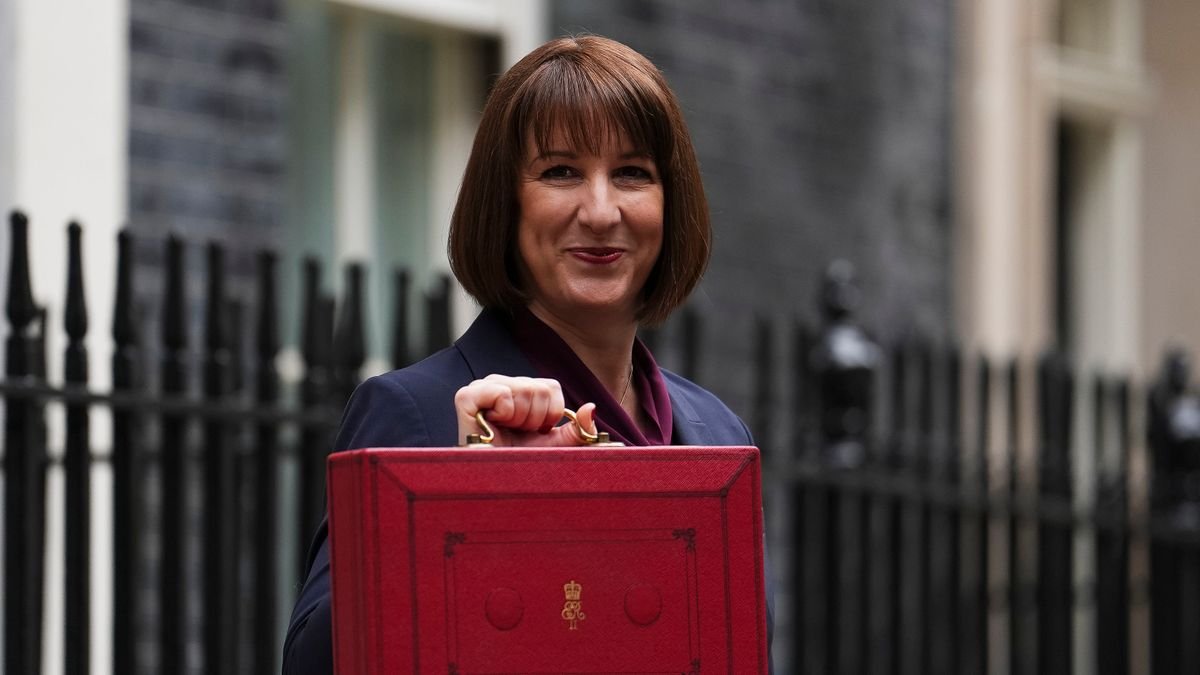

Chancellor Rachel Reeves is set to present her highly anticipated Budget today following extensive speculation about potential tax increases. The announcement is scheduled to take place at around 12:30 pm on Wednesday in the Commons, where Reeves is expected to address a projected £20 billion deficit in public finances, focusing on addressing the cost of living and enhancing the healthcare system.
During a recent gathering of Labour MPs, the Chancellor outlined her top three priorities, emphasizing the importance of reducing the cost of living, shortening NHS waiting lists, and lowering the burden of debt. Reeves highlighted several achievements, including raising the national living wage and minimum wage, safeguarding the triple lock, and ensuring adequate funding for free childcare services. Additional initiatives such as free breakfast clubs in primary schools and expanded free school meals for half a million children were also mentioned.
While acknowledging the progress made, Reeves acknowledged the ongoing challenges and announced measures like freezing prescription charges and rail fares. The Budget is expected to introduce enhancements to the minimum wage, benefiting millions of workers, with the National Living Wage set to increase to £12.71 per hour for individuals over 21. Additionally, the National Minimum Wage for 18 to 20-year-olds will see an 8.5% rise to £10.85 per hour.
Notably, the government is likely to eliminate the two-child benefit limit entirely, a policy that has faced criticism for exacerbating child poverty. The Treasury is exploring potential adjustments to gambling taxes to fund the removal of the two-child benefit cap, aiming to uplift hundreds of thousands of children out of poverty.
Furthermore, the Budget is anticipated to broaden the tax on sugary drinks to combat obesity, with Health Secretary Wes Streeting expected to lower the sugar threshold for the Soft Drinks Industry Levy. In a move to support public health, Reeves will extend the freeze on NHS prescription charges, maintaining the cost at £9.90 per prescription.
As part of the Budget, pensioners could receive a yearly increase of around £550, with the state pension set to rise in line with average earnings growth from April next year. Additionally, a potential new cap of £2,000 annually on pension savings through salary sacrifice schemes is under consideration, although concerns have been raised about the impact on retirement savings.
Expectations also include adjustments to tobacco duty, potential tourist taxes, and a review of fuel duty, which has been frozen since 2011. Speculation suggests a pay-per-mile levy for electric vehicle drivers could be introduced in 2028.
The Budget, set for November 26, is poised to address key economic challenges and unveil measures aimed at enhancing the well-being of citizens across various sectors.