


In the viewpoint of some Alberta separatists, the primary focus is not just on breaking away from Canada but on strengthening trade ties with the province’s neighboring country to the south.
Keith Wilson, a key figure in the independence movement, emphasized in a recent social media post that Alberta’s proximity to the largest global economy and its efficient trade routes to the United States offer significant trade advantages. The core issue, as per Wilson, lies in the control exerted by Ottawa rather than in geographical considerations.
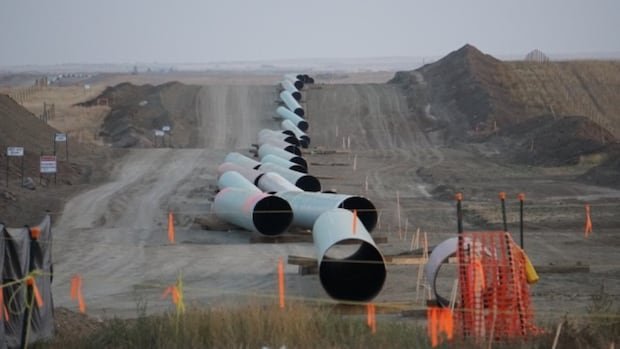
Despite Alberta’s substantial oil production of five million barrels per day, with the majority being exported to the U.S., the actual transportation routes differ from the simplistic depiction presented by Wilson. Most of Alberta’s oil is transported through pipelines passing through other western provinces en route to the U.S., with only a fraction directly crossing from Alberta.
Moreover, the export dynamics for natural gas, another significant Alberta commodity, also involve transit through other Canadian provinces before reaching the U.S. market. This underscores the complexity and potential challenges an independent Alberta might face in solely focusing on U.S. trade.
While experts suggest that post-independence negotiations between Alberta and Canada could lead to agreements facilitating trade through other provinces to the U.S., establishing new trade deals and ensuring smooth transshipment processes would be intricate tasks for a newly independent nation.
The existing infrastructure for oil and gas pipelines in Canada, originally designed to serve the country’s domestic needs before exports, further highlights the interdependence among provinces and the critical role of federal regulations in approving pipeline projects.
In contemplating the potential scenarios post-secession, considerations around trade disruptions, tariff implications, and the negotiation of trade agreements become pivotal. The intricate web of trade negotiations necessitates careful planning and collaboration to ensure continued flow of goods and resources between Alberta and its former counterparts.
As Alberta’s future unfolds, the complexities of reshaping trade relationships, navigating existing infrastructure, and establishing new trade agreements will be paramount in defining the province’s economic trajectory and international trade dynamics.