


Canada and the United States are in the final stages of negotiating a trade agreement that is anticipated to involve a reduction in U.S. tariffs on Canadian products by President Donald Trump in exchange for the reinstatement of American alcohol in provincial stores. The deal, which is gradually taking shape, aims to support industries impacted by tariffs but might face criticism for not completely eliminating Trump’s tariffs.
Specific details of the agreement have not been disclosed publicly, but a reliable source mentioned that U.S. tariffs on Canadian steel and aluminum will be reduced from 50% to 25%. Talks are ongoing regarding derivatives and exemptions. Additionally, the agreement is set to lower the headline tariff rate on Canadian-made cars and trucks from 25% to 15%.
Due to the high integration of the North American auto market, vehicles assembled in Canada often contain over 50% U.S.-manufactured components. If tariffs are imposed only on the non-U.S. portion, the effective rate could decrease by up to 7.5%.
Following a briefing by Prime Minister Mark Carney to provincial leaders on the agreement, Saskatchewan Premier Scott Moe praised the ongoing negotiations as potentially leading to a top-tier trade deal with the U.S., offering favorable market access. Both Moe and Nova Scotia Premier Tim Houston expressed optimism about the progress made in the talks and the potential benefits for Canada.
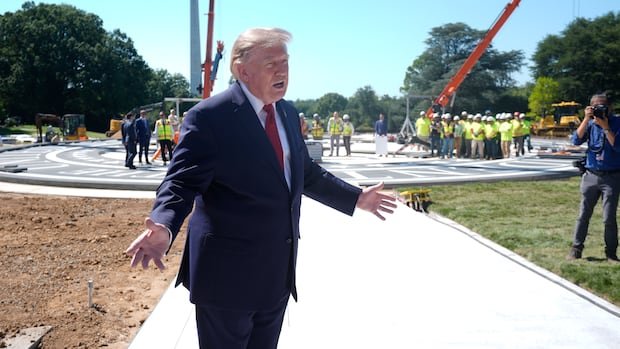
President Trump hailed the agreement as positive for both countries without divulging specific details. Carney highlighted the significant progress made with the U.S., emphasizing Canada’s goal of securing optimal market access for its businesses.
The negotiations have focused on providing relief to sectors such as steel, aluminum, autos, and lumber, which have been burdened by high tariffs for over a year. While the majority of U.S. products enter Canada duty-free, retaliatory tariffs have been imposed by Canada on some U.S. imports.
The trade ministers of Canada and the U.S. engaged in discussions to resolve trade issues, with the U.S. insisting on the return of American liquor to Canadian stores and the removal of retaliatory tariffs on U.S. autos. The prospective deal aims to address outstanding trade matters and deliver tangible benefits to various sectors in Canada.
Conservative Leader Pierre Poilievre expressed relief at the progress in the trade negotiations but emphasized the need for a superior deal compared to the previous one. The business community welcomed the temporary halt in tariffs and urged for a swift conclusion of a comprehensive trade agreement for stability and certainty.