

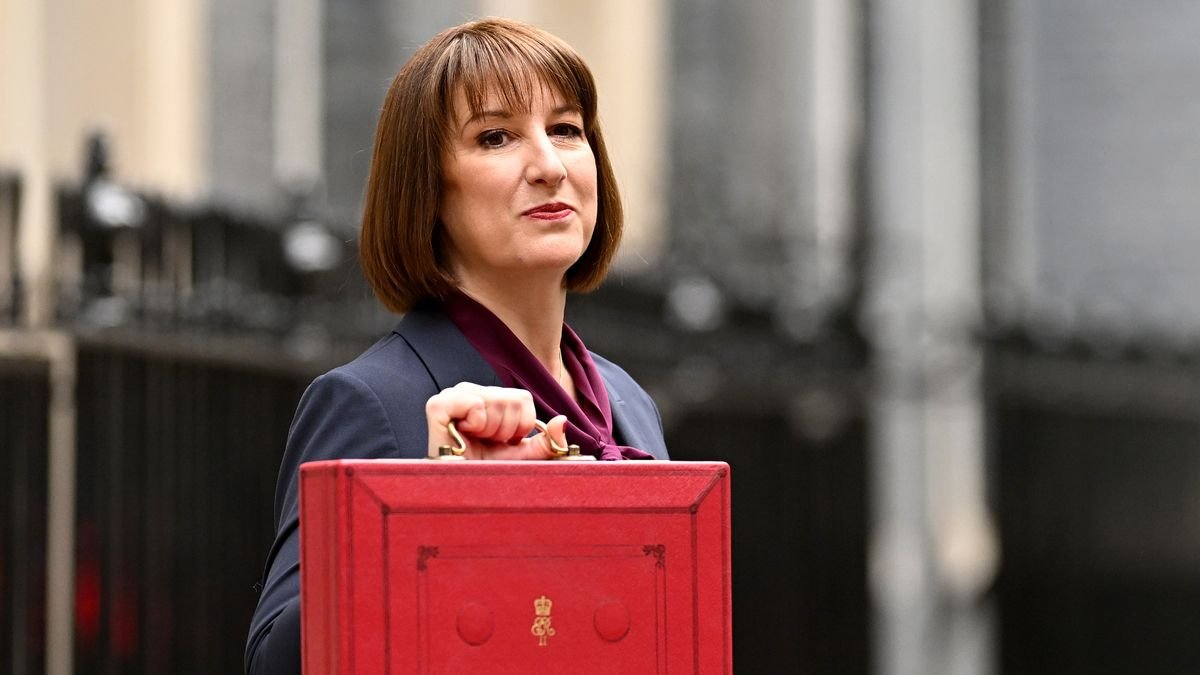

Chancellor Rachel Reeves faced a tough situation leading up to the upcoming Budget, as official data revealed a higher-than-expected government borrowing amount and a decline in retail sales for the previous month. The Office for National Statistics reported that public sector borrowing in October was £17.4 billion, marking the third highest figure for the month since records began, although lower than the previous year. This surpassed economists’ expectations of £15 billion and the forecast of £14.4 billion by the Office for Budget Responsibility earlier in the year.
These figures have raised expectations of potential tax increases in the Budget to address the significant deficit in UK public finances, estimated by some analysts to be as high as £50 billion. Separate data from the ONS indicated a larger-than-predicted 1.1% drop in retail sales, suggesting consumer caution in spending due to potential income impacts.
Ruth Gregory from Capital Economics expressed concerns over the grim outlook painted by these data sets, highlighting the possible repercussions of tax hikes on consumer spending during the upcoming holiday season and beyond. Government borrowing for the current financial year up to now stood at £116.8 billion, an increase of £9 billion compared to the same period last year.
In response, Treasury Chief Secretary James Murray emphasized the need for debt reduction, stating that a significant portion of taxpayer money currently goes towards servicing the national debt rather than essential services like schools, hospitals, police, and armed forces. He outlined plans for substantial deficit reduction over the next five years to lower borrowing costs.
Public sector net debt, excluding the Bank of England, reached £2.77 trillion by October’s end, equivalent to around 90% of the country’s GDP. The ONS noted a decrease of £900 million in debt interest payments last month, attributed to a decline in the Retail Prices Index measure of inflation in recent months.
Economists Elliott Jordan-Doak and Thomas Pugh expressed differing views on the government’s Budget plans, with Jordan-Doak suggesting uncertainties following the shelving of income tax hike proposals and Pugh speculating on the possibility of multiple tax increases being implemented.
Overall, the economic landscape remains uncertain as policymakers seek to navigate the challenges posed by rising borrowing and subdued consumer spending.