


Brayden Bushby, the individual found guilty of manslaughter in the tragic 2017 passing of Barbara Kentner in Thunder Bay, Ontario, has been released on full parole under specific conditions. The Parole Board of Canada (PBC) recently made this decision, as revealed in documents shared with CBC News. This move comes five years after Bushby was sentenced to an eight-year prison term.
The board’s decision to grant Bushby full parole was based on a thorough review of various factors, including background information, victim details, recommendations from the Correctional Service of Canada, and input from the panel hearing. The documents indicate that Bushby’s release on full parole is deemed safe and beneficial for society, aiding in his successful reintegration as a law-abiding member of the community.
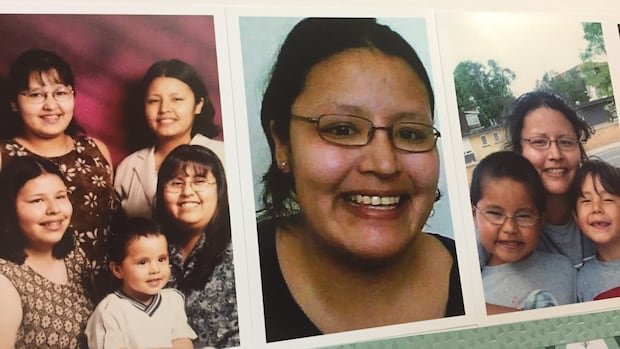
Barbara Kentner, aged 34, succumbed to medical complications months after being struck by a trailer hitch thrown at her from a passing vehicle. Kentner, a member of the Wabigoon Lake Ojibway Nation, is fondly remembered by her family as a cherished mother, sister, cousin, and aunt. Bushby, who is now 27 years old and a father of two, was previously sentenced in June 2021, resulting in a reduced prison term due to time already served.
The decision to grant Bushby full parole has sparked outrage and disbelief among Kentner’s family and the Wabigoon Lake Ojibway Nation (WLON). WLON expressed solidarity with Kentner’s family, condemning the parole board’s ruling and highlighting the systemic discrimination prevalent in Canada’s justice system. This development has been met with dismay by Nishnawbe Aski Nation (NAN), representing 49 First Nations across Treaties 9 and 5, who described it as a profound injustice.
During a pre-release hearing, Bushby attributed his actions to alcohol consumption and poor decision-making. Despite the parole board’s acknowledgment of Bushby’s history of risky behavior, the decision to grant him full parole has been widely criticized. Bushby must adhere to stringent conditions, including participation in treatment programs, abstaining from alcohol and drugs, avoiding criminal associations, and refraining from contact with Kentner’s family.
Overall, the parole board’s ruling has reignited discussions on systemic failures in addressing the safety and well-being of Indigenous communities, prompting calls for concrete actions to prevent similar tragedies in the future.