

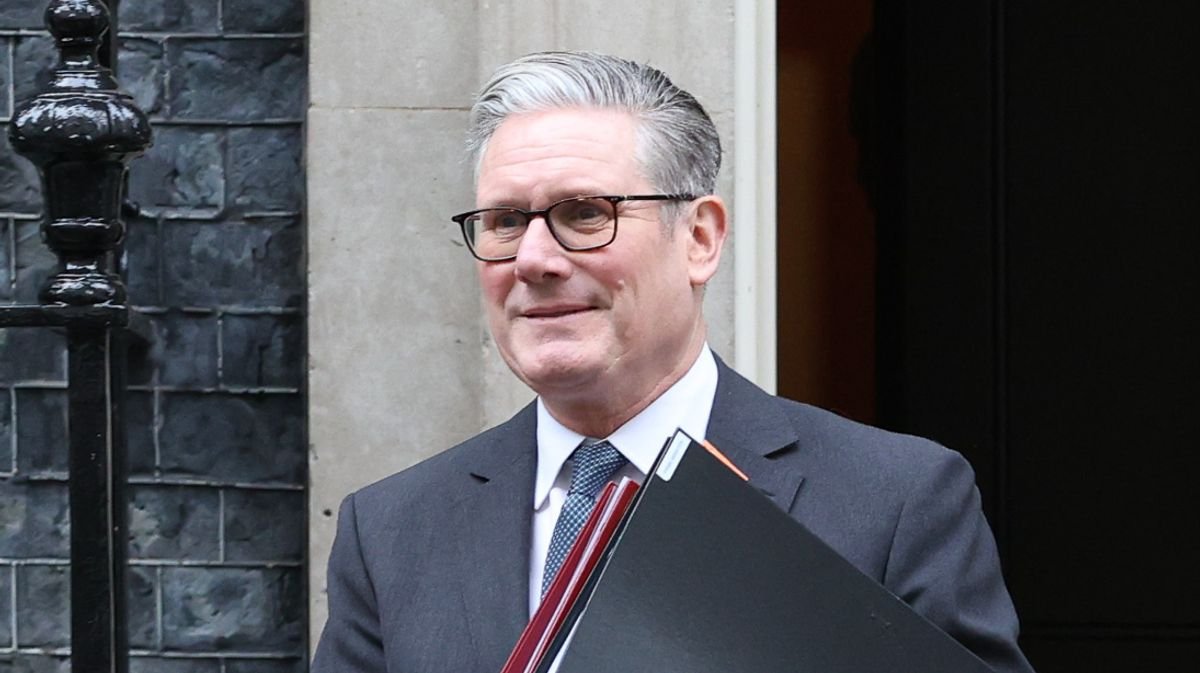

Keir Starmer has declined to rule out the possibility of extending the freeze on income thresholds in the upcoming Budget. Chancellor Rachel Reeves, faced with a significant deficit in public finances, had previously stated her intention to end the freeze by 2028. The freeze, initially implemented by the Tories, has been criticized for pushing more individuals into higher tax brackets as their incomes increase.
While delivering her first Budget in October 2024, Ms. Reeves argued that extending the freeze would negatively impact working individuals by reducing their take-home pay. Recent speculation suggests that Ms. Reeves may be contemplating extending the freeze for an additional two years.
During a session of PMQs, Tory leader Kemi Badenoch pressed Mr. Starmer about potential promises to freeze income tax thresholds. In response, Mr. Starmer emphasized a commitment to safeguarding the NHS and public services without resorting to austerity measures or excessive borrowing.
The debate continued as the Tory leader criticized the opposition for what he perceived as a planned freeze on thresholds. Mr. Starmer defended his party’s approach by highlighting past successes in NHS investments under Labour governance compared to the opposition’s economic strategies.
In a recent development, Ms. Reeves abandoned plans to increase the headline income tax rate in the Budget, aligning with Labour’s manifesto pledge to shield working individuals from VAT, National Insurance, and income tax hikes. Positive economic forecasts have led to a reduced deficit in public finances, enabling the Chancellor to reconsider certain fiscal measures.
While some Labour MPs advocate for wealth taxes on the super-rich in the upcoming Budget, proposing a 2% annual tax on assets over £10 million, citing the potential to generate significant revenue to address societal inequalities.
The ongoing discussions reflect the evolving fiscal landscape as policymakers navigate economic challenges while considering various taxation and spending options.