

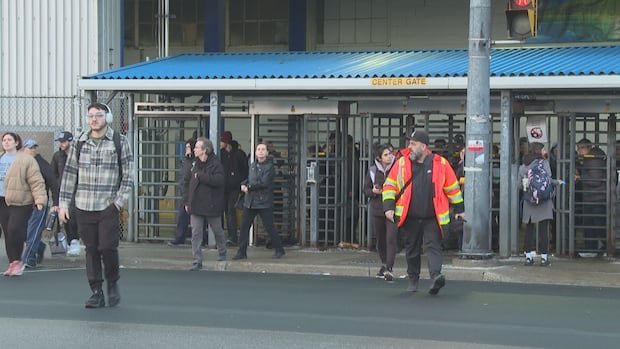

Stellantis employees in Ontario, represented by Unifor, have overwhelmingly voted in favor of authorizing a strike with a resounding 97% approval, as negotiations in collective bargaining remain at a standstill. The voting took place over a two-day period during the weekend, involving workers from facilities located in Windsor, Toronto, and the inactive Brampton assembly plant.
With over 9,000 Stellantis workers in Canada under its representation, Unifor has emphasized that resorting to a strike is a last resort measure for the Ontario workers. James Stewart, president of Unifor Local 444, expressed the unity and strength displayed by the employees through the vote, signaling a strong message towards the company.
Stellantis responded to CBC News, reaffirming its commitment to engaging in genuine negotiations towards an agreement that acknowledges the workforce’s contributions while ensuring the long-term competitiveness of its Canadian operations. Unifor’s national president, Lana Payne, stressed the members’ determination to secure a fair deal with Stellantis that safeguards jobs for Canadian autoworkers.
Despite the strong strike mandate, Unifor clarified that they are not currently in a legal strike position as neither party has requested a No Board report, a necessary step under labor laws for initiating job actions. The uncertain future of the Brampton factory has been a major concern, especially after Stellantis revealed plans to sell the property to defense contractor Roshel, following layoffs of over 2,000 employees in 2023 and relocating Jeep Compass production to Illinois.
Unifor has raised concerns that the potential closure and sale of the Brampton plant could jeopardize workers’ financial security and have far-reaching impacts on Ontario’s automotive industry and supply chain. Stellantis Canada’s president and CEO, Trevor Longley, highlighted the company’s significant investments in Canada, exceeding $8 billion since 2022, underlining its commitment to the Canadian market.
In a positive development, a third shift was reinstated in Windsor in February, indicating some stability in operations amidst the ongoing negotiations and concerns within the automotive sector.