

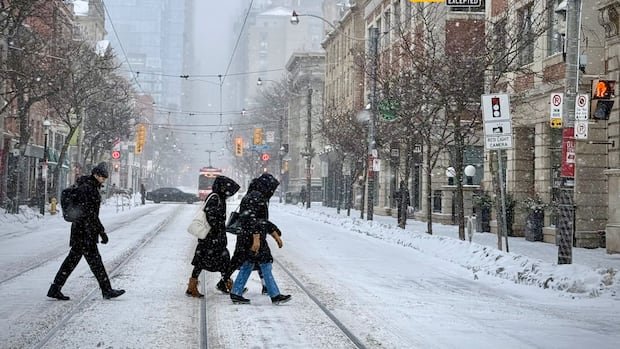

Waymo is set to expand its operations to Toronto, facing the challenge of navigating snowy roads. The U.S.-based company announced plans to commence testing in Canada’s largest city with human drivers onboard to conduct mapping and safety checks. Waymo aims to introduce driverless taxi services by 2028. These tests will be conducted around the clock to ensure the technology can handle Toronto’s unique driving conditions, particularly the winter weather, which poses a significant challenge compared to the warmer cities where Waymo currently operates.
Adapting autonomous vehicles to snowy conditions is crucial as adverse weather affects sensors and can obscure objects, making it challenging for the system to make accurate decisions. To address these challenges, Waymo is leveraging engineering solutions and training its systems with data gathered from snowy regions. The company has accumulated extensive experience driving in snow-covered areas, enhancing its autonomous driving capabilities.
While Waymo continues to improve its technology for winter conditions, it remains cautious about deploying fully autonomous services in snowy weather. The company employs various strategies, such as using heaters and windshield wipers to maintain clear sensors, and vehicles act as mobile weather stations to collect real-time weather data. Despite the hurdles, Waymo is optimistic about resolving winter-related issues before launching in Toronto in 2028, aligning with its gradual approach to expanding services based on weather conditions.
Overall, the advancement of autonomous driving in snowy regions requires continuous testing, data collection, and technological enhancements to ensure safety and efficiency. The integration of AI methods and engineering innovations will play a vital role in preparing autonomous vehicles for diverse weather conditions, ultimately enhancing the future of self-driving transportation.