

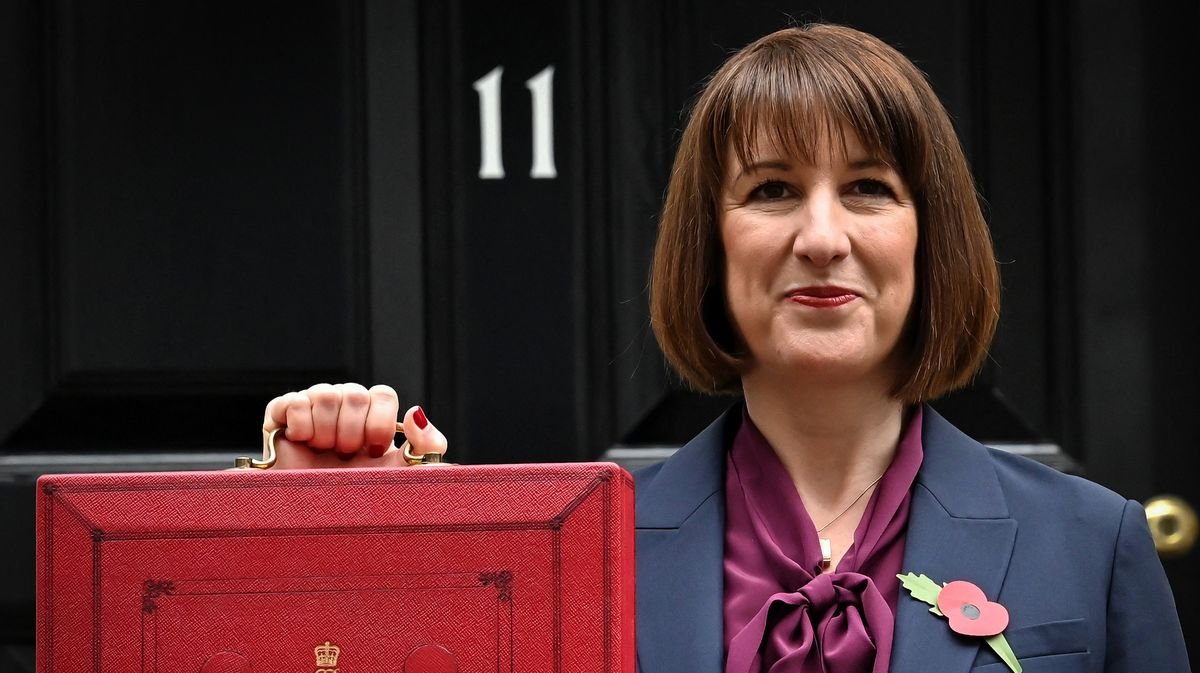

Chancellor Rachel Reeves is reconsidering plans to increase income tax rates in her upcoming budget, following estimates suggesting that lowering the income tax threshold for higher earners could generate around £9 billion for the Treasury. The Office for Budget Responsibility’s improved forecast, indicating a smaller deficit than previously anticipated, has presented a more optimistic fiscal outlook. However, this still presents challenges for the Chancellor in balancing tax increases and spending reductions.
One proposal being considered is the reduction of income tax thresholds, with the potential of decreasing the higher rate threshold from £50,270 to £46,000 by 2029/30 to generate the estimated £9 billion. While this move could spare many lower earners, it would impact around 30% of workers, including those in the public sector.
Analysts at Pantheon Macroeconomics suggest that reducing all income tax thresholds by 10% could yield £17 billion by 2028/29, although such a measure may face political resistance. There are concerns that any adjustments to income tax thresholds could disproportionately affect working individuals unless the changes result in lower revenue compared to potential tax rate hikes.
Reports indicate that Reeves may opt to prolong the freeze on personal tax thresholds and National Insurance for an additional two years from April 2028, potentially raising £8.3 billion annually by 2030. This approach, known as a “stealth tax,” could lead to more individuals being taxed at higher rates as their incomes increase.
The Institute for Fiscal Studies highlights the impact of continued tax threshold freezes, suggesting that by 2029/30, even individuals on minimum wage may reach income tax liability thresholds with reduced working hours. Furthermore, more recipients of the full new state pension could face tax obligations if the freeze persists.
Matthew Oulton, a research economist at IFS, emphasized the significant revenue potential and progressive nature of extending the tax threshold freezes. This strategy could affect a wide range of individuals, including full-time and part-time employees, minimum wage workers, and low-income pensioners. Adjusting tax thresholds remains a viable option for the Chancellor to consider in achieving revenue targets and redistributing the tax burden.