

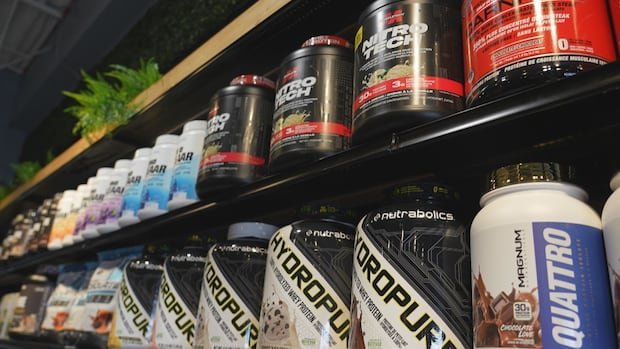

Consumers like Jennifer Mason are feeling the impact of skyrocketing whey protein prices as they try to boost their protein intake. With expenses rising, Mason is now reconsidering her shopping choices and opting for whole foods with natural protein sources over pricey supplements.
The surge in demand for protein-rich products has led food manufacturers and fast-food chains to incorporate whey protein into various items, causing shortages and pushing prices to unprecedented levels. This situation is exacerbated by the ongoing U.S.-Canada trade tensions, which are further inflating costs that may trickle down to consumers.
Popular brands are capitalizing on the health trend by infusing their products with whey protein to cater to health-conscious individuals. The fitness community advocates for protein-maxxing, promoting the constant consumption of dietary protein. Additionally, the use of weight-loss medications like Ozempic has prompted some to increase their protein intake to prevent muscle loss.
The rise in whey protein demand is depleting global supplies, particularly of whey protein concentrate, a key ingredient in high-protein foods. Small businesses like Daryl’s Bars are struggling to secure sufficient whey supplies amidst the dominance of major corporations in the market.
The U.S. Dairy Export Council notes an insatiable domestic demand for high-protein whey, limiting export availability and driving up prices significantly. This trend has forced companies like Daryl’s Bars to raise prices on their protein snacks to cope with the escalating costs.
In response to the trade war repercussions, Canadian businesses impacted by increased tariffs on American whey can seek relief through Ottawa’s tariff-remission program. However, challenges in rapidly boosting whey supply persist due to the intricate process of converting liquid whey into powder.
With the price surge of U.S. whey imports, Canadian companies may pivot towards suppliers like New Zealand, despite the associated high shipping expenses. Economists anticipate that the ripple effect of higher whey protein prices may lead to an overall increase in protein product costs.
Consumers, such as Audrey Marcoux and Nathan Bugiardini, are already feeling the strain of elevated prices, contemplating adjustments to their protein consumption habits. Some individuals are exploring plant-based alternatives and natural protein sources as a cost-effective solution amidst the ongoing whey protein price surge.