

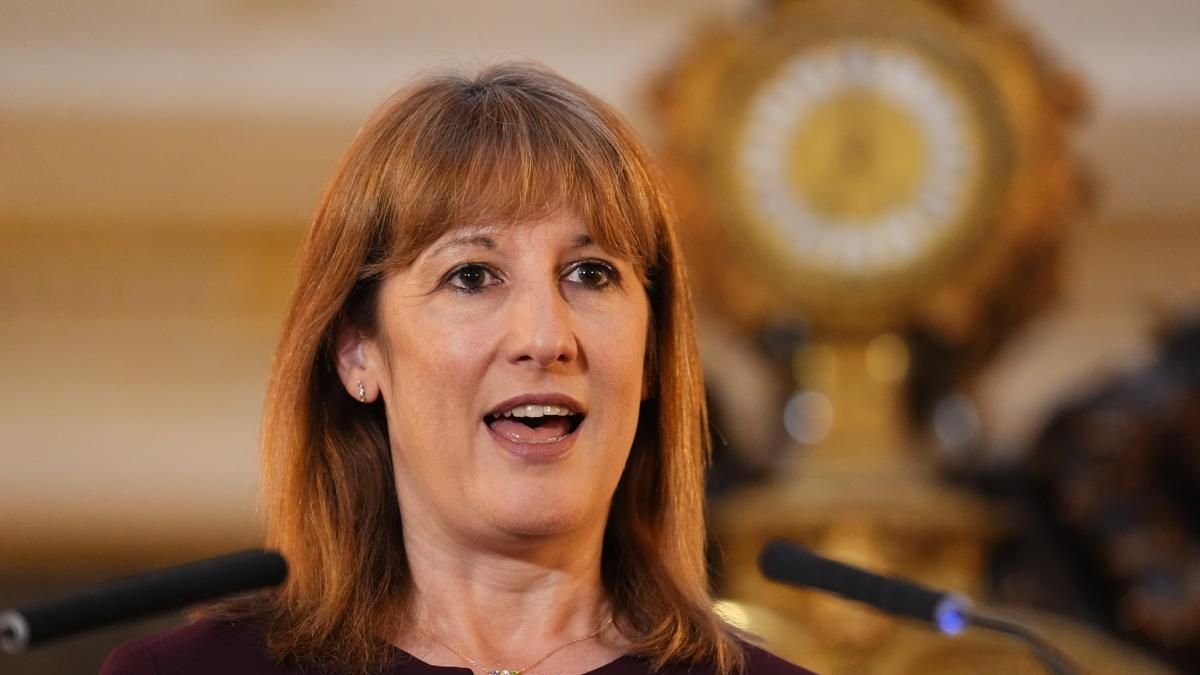

Rachel Reeves has decided against implementing a significant increase in income tax that was previously planned for the Budget. The Treasury has indicated that improved economic forecasts have narrowed the gap in public finances, leading to the Chancellor abandoning the proposed tax hike.
Reeves had been hinting at potential income tax rises scheduled for November 26, suggesting that spending cuts might be the alternative. Despite efforts by ministers to persuade MPs to support the move, which would have contradicted Labour’s promise to shield working individuals from tax hikes, the Chancellor opted out due to the revised financial outlook.
The Office for Budget Responsibility informed the Treasury that the deficit in public finances is around £20 billion, lower than the anticipated £30-40 billion. This more positive projection is attributed to increased tax revenues from higher wages and a less severe productivity downturn than expected.
Although rumors caused a bond sell-off following concerns about a policy shift by the Chancellor, a Government source emphasized the importance of transparency in addressing the fiscal challenges and considering all options. While the manifesto pledge was not intended to be broken, the source indicated that tax adjustments are still under consideration.
Reeves faces a substantial task in balancing the budget and is likely to incorporate a £15 billion buffer to guard against future economic uncertainties. One proposal being considered is extending the freeze on income tax thresholds for an additional two years, potentially drawing more taxpayers into higher tax brackets as their incomes rise.
Health Secretary Wes Streeting welcomed the decision to uphold Labour’s manifesto commitment and stressed the importance of maintaining public trust in politics. Despite concerns raised by economists about policy reversals affecting economic growth, the Treasury remains focused on formulating a Budget that supports the country’s long-term stability.