

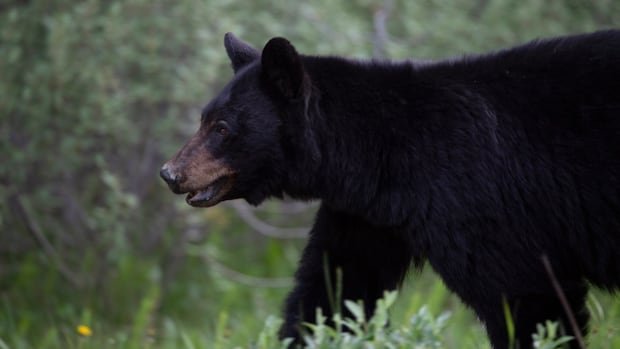

Canadians are experiencing more encounters with bears lately, with reports of incidents in B.C., Alberta, and Saskatchewan, some of which have been fatal. While fatal attacks are still rare, experts note an increase in encounters due to various factors, including heightened media coverage.
According to Lana Ciarniello, an independent conservation scientist, fluctuations in black bear encounters are influenced by food availability and environmental factors. This year, challenges like dried berries and wildfires have driven conflicts, emphasizing the importance of bear-smart practices such as securing garbage to prevent dangerous interactions.
In backcountry areas, encounters with grizzly bears pose different risks, especially during berry season when dense foliage can obstruct visibility. Ciarniello advises hikers to make noise, travel in groups, and carry bear spray to reduce the likelihood of negative encounters.
Recent incidents include a 72-year-old hiker sustaining injuries from a grizzly bear attack near Pemberton, B.C., while another man escaped serious harm in a defensive bear encounter. Additionally, a three-year-old girl was injured by a black bear in her backyard, and a couple tragically lost their lives in a black bear attack in a remote area of Saskatchewan.
Efforts to address these incidents involve investigations, bear euthanizations, and ongoing safety measures. The incidents highlight the importance of bear awareness and safety protocols to minimize human-bear conflicts in wilderness areas.